
clock

wall clock, ser. no. 31984
wall clock

wall clock, ser. no. 31984
wall clock

wall clock, ser. no. 31984
wall clock, ser. no. 31984
IMG_7513-24_st12_1920
clock mechanism
IMG_7477-84_st8_1920
clock mechanism

IMG_7485-92_st8_1920
clock mechanism

IMG_7469-76_st8_1920
clock mechanism

wall clock, ser. no. 31984
wall clock, top-mounted eagle
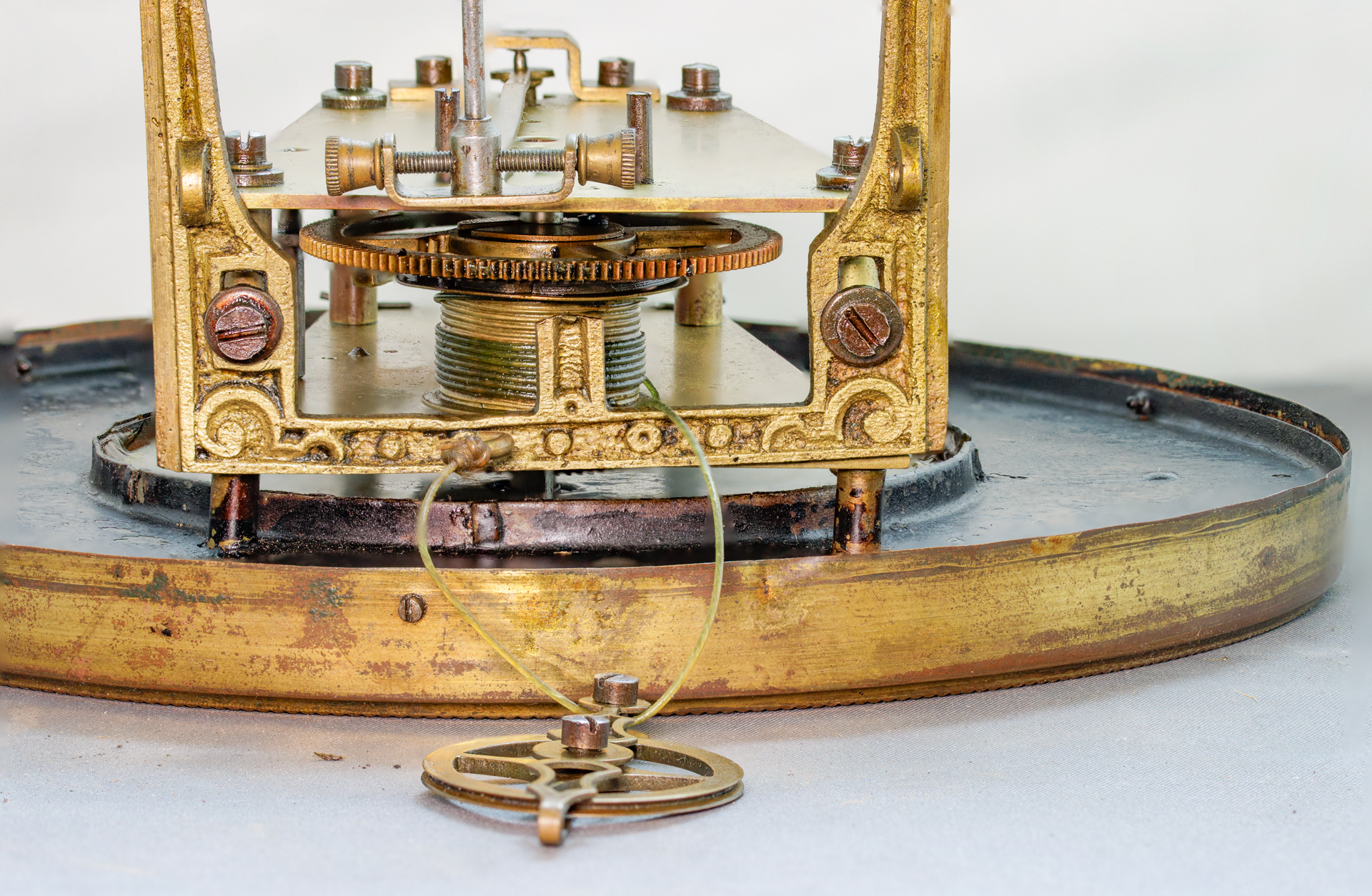
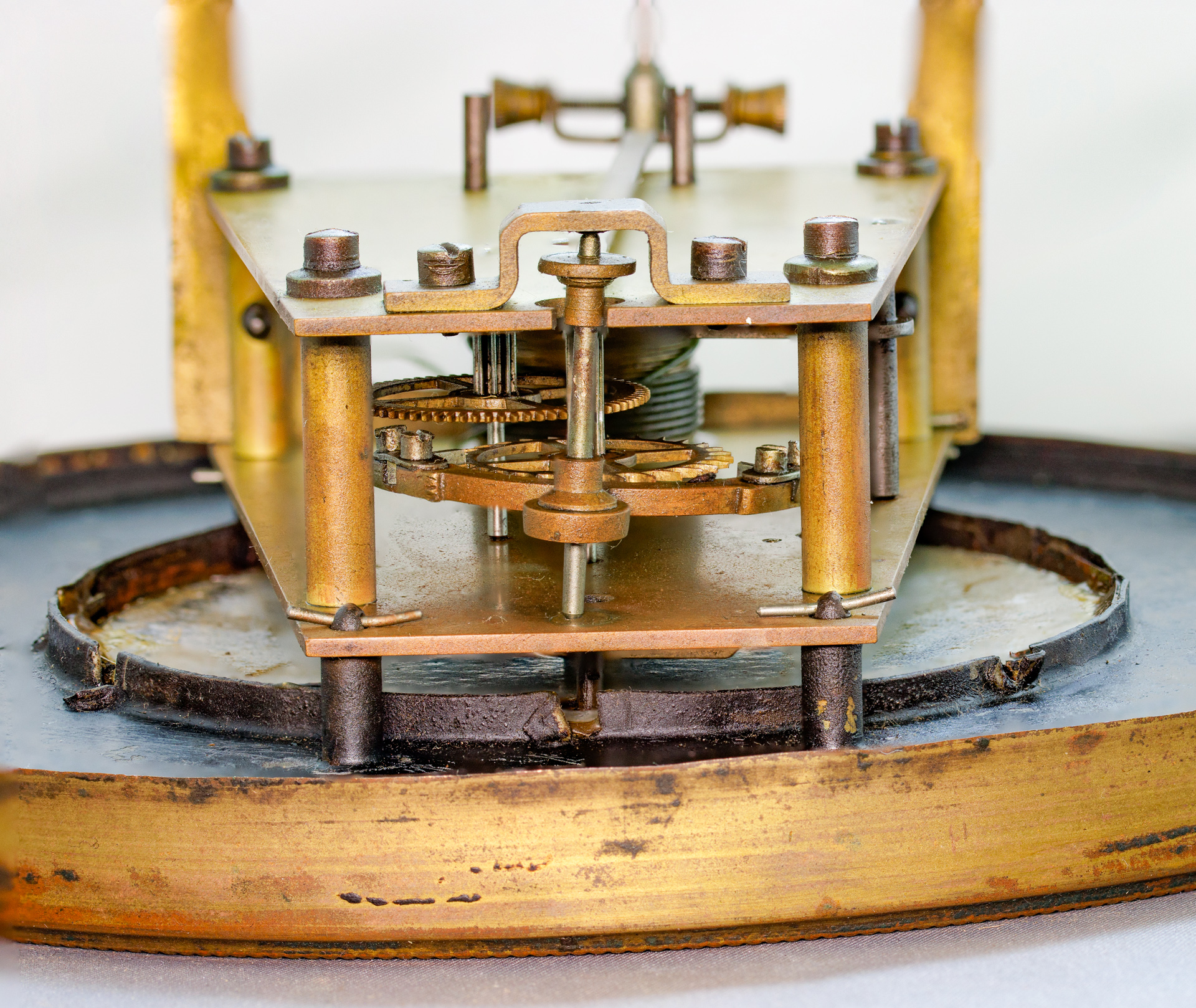
This clock was working until a few years ago. Currently it almost works, but (forgive the non-technical terminology!) the rocking arm part of the escapement isn’t always catching the next tooth on its accompanying cog wheel, so the hand does not move on; then sometimes it does catch and the hand move on as it should.The mechanism appears to be otherwise in working order.
I posted photos of the mechanism and details of what it is doing on a specialist forum, and was told that it is behaving typically for a mechanism that needs cleaning and lubricating, and likely has no other faults.
Here is some information relating to this specific clock, from someone who has a lot of knowledge of them.
The detail was registered as a design in 1891, so it can’t be older. Just like the clock itself – it was made around 1894.
The Endler & Co. signature was registered in 1877. It appears on this manufacturer’s movements from number 60000 (it doesn’t yet appear on number 59998, but it does on number 60057). So, the appearance of 31984 on the movement doesn’t fit here at all. Endler clock movements with similar numbers looked completely different (28274,29333). There are significant design differences, so this doesn’t fit at all.
But it’s much more consistent with Kappel & Co. clock movements from 1894. (31527,38257,38686)
Here’s a bit of history:
Available documents indicate that Kappel & Co. took over production from the bankrupt Endler & Co. The numbering of this manufacturer’s movements ended at number 160000.
However, it appears that Kappel then used this signature for its own movements for a very short time. 31894 is only the second instance I’ve seen. There was also a 26063, but with two weights. The discrepancy in the numbers between them seems quite large, but it’s the same, I suspect, short period.
Perhaps there were some ownership issues with the Endler & Co. name, and the new owner (Kappel & Co.) had to discontinue using the stamp. I don’t know. But shortly afterward, Kappel began using their own stamp, which is very similar to the Endler.
These conclusions are confirmed by the design of the clock case (it’s not from the 1870s) and the hands, which were not the design used by Endler.
So you have a clock manufactured by a new owner, who used the old signature, just after Endler & Co. went bankrupt.
Bible
Bible
Bible

Bible
Bible
Bible
Bible
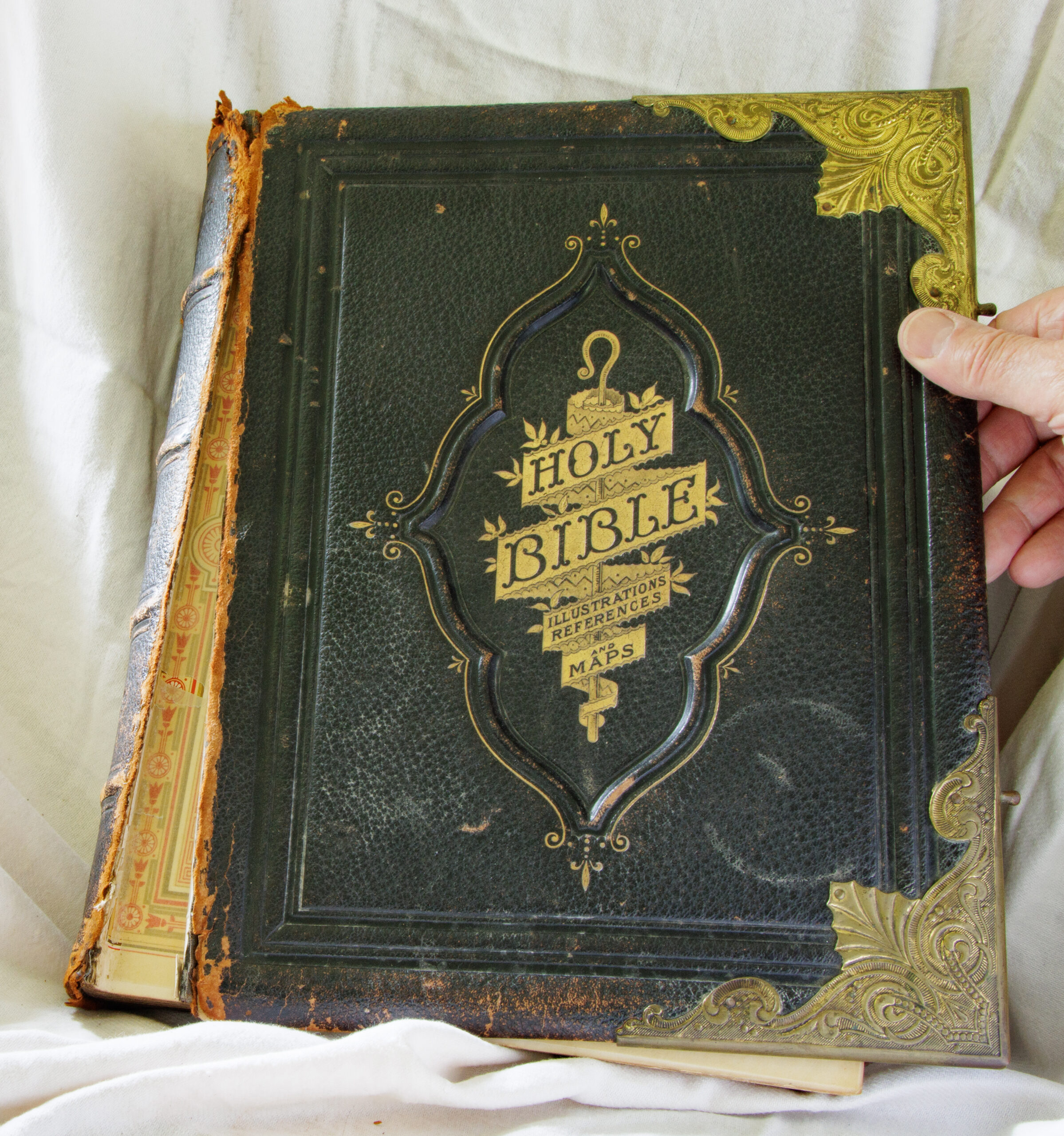
Bible, damage to cover
Bible, damage to cover
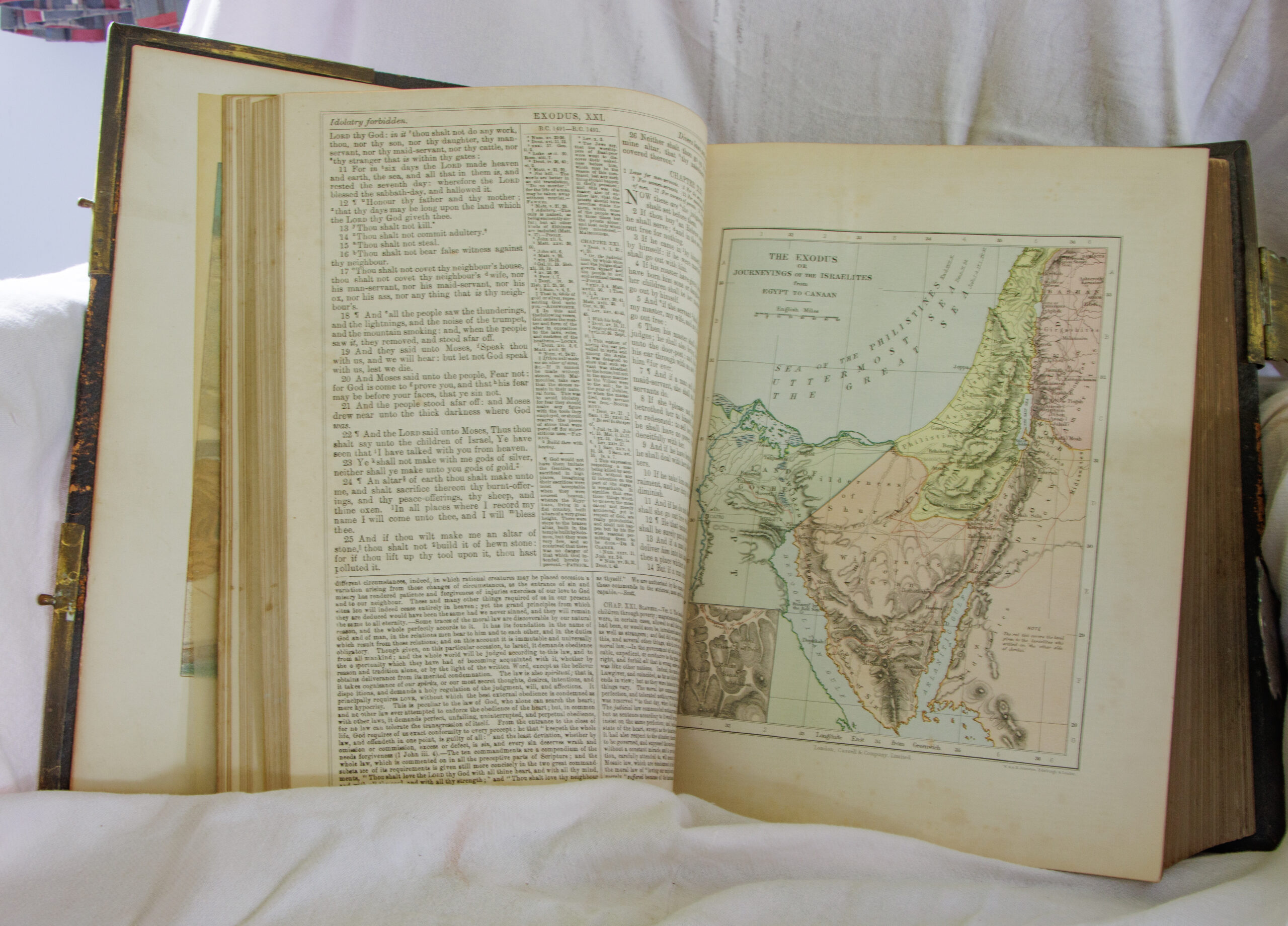
Bible
Bible
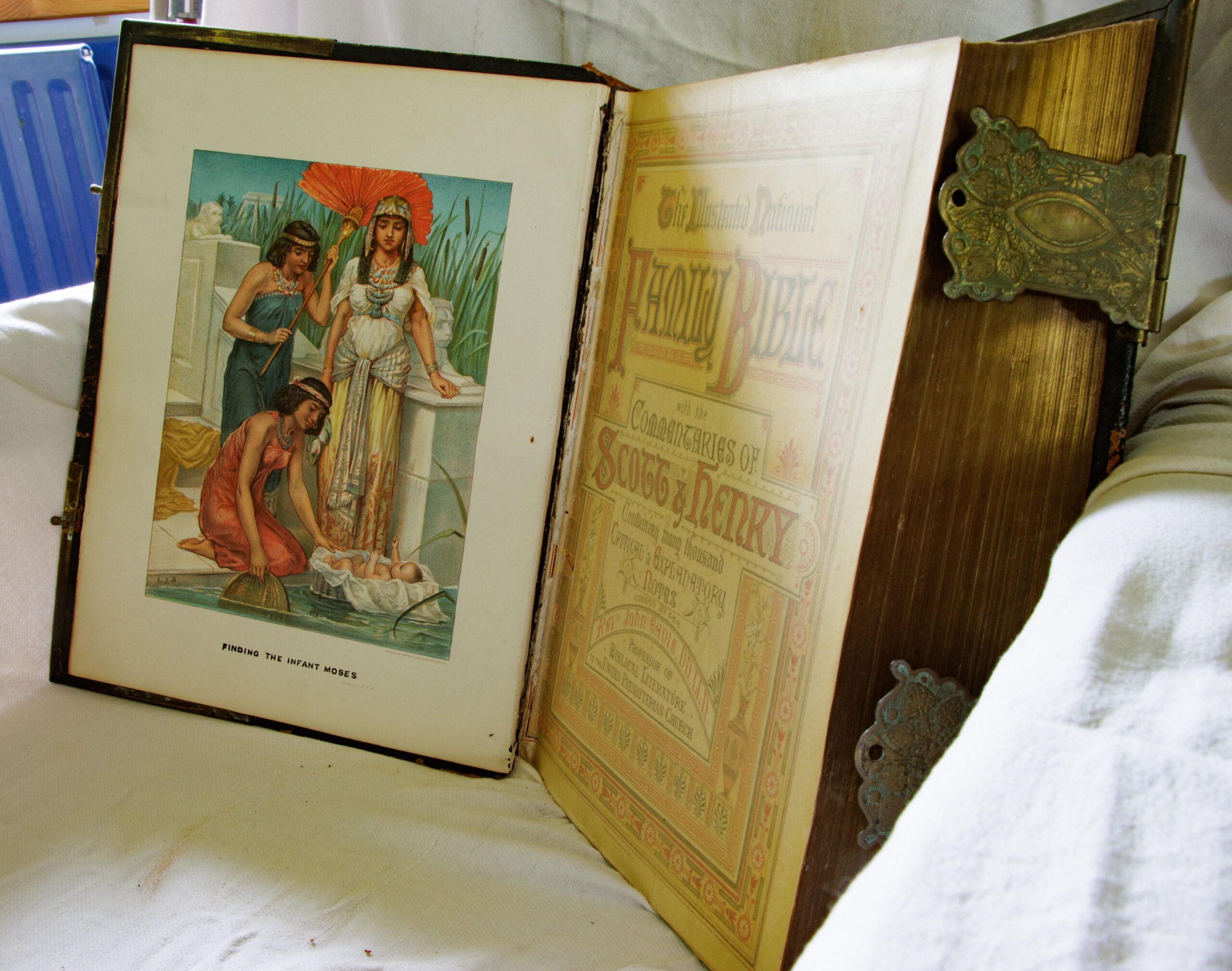
Bible
Bible
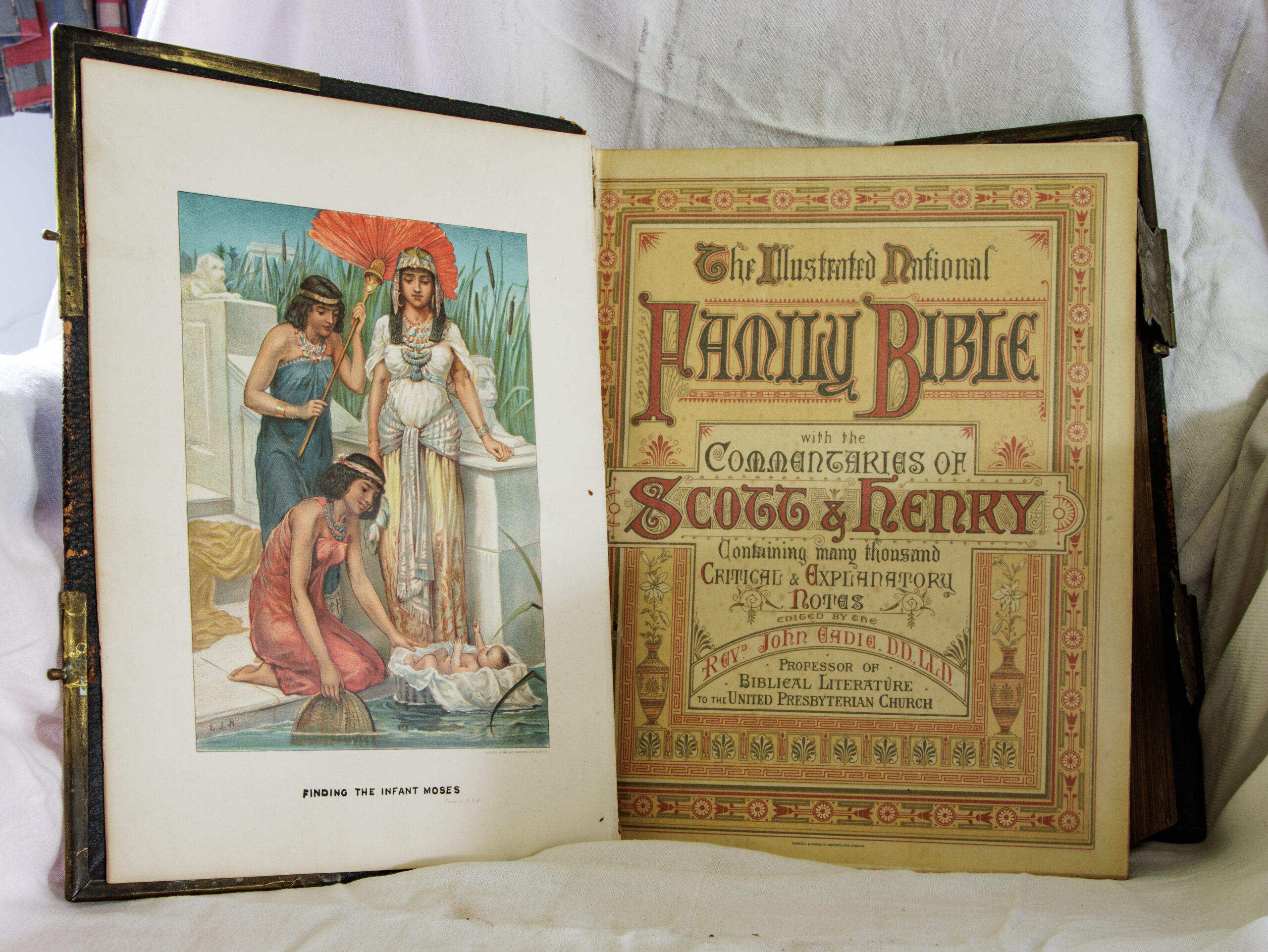
Bible
Bible
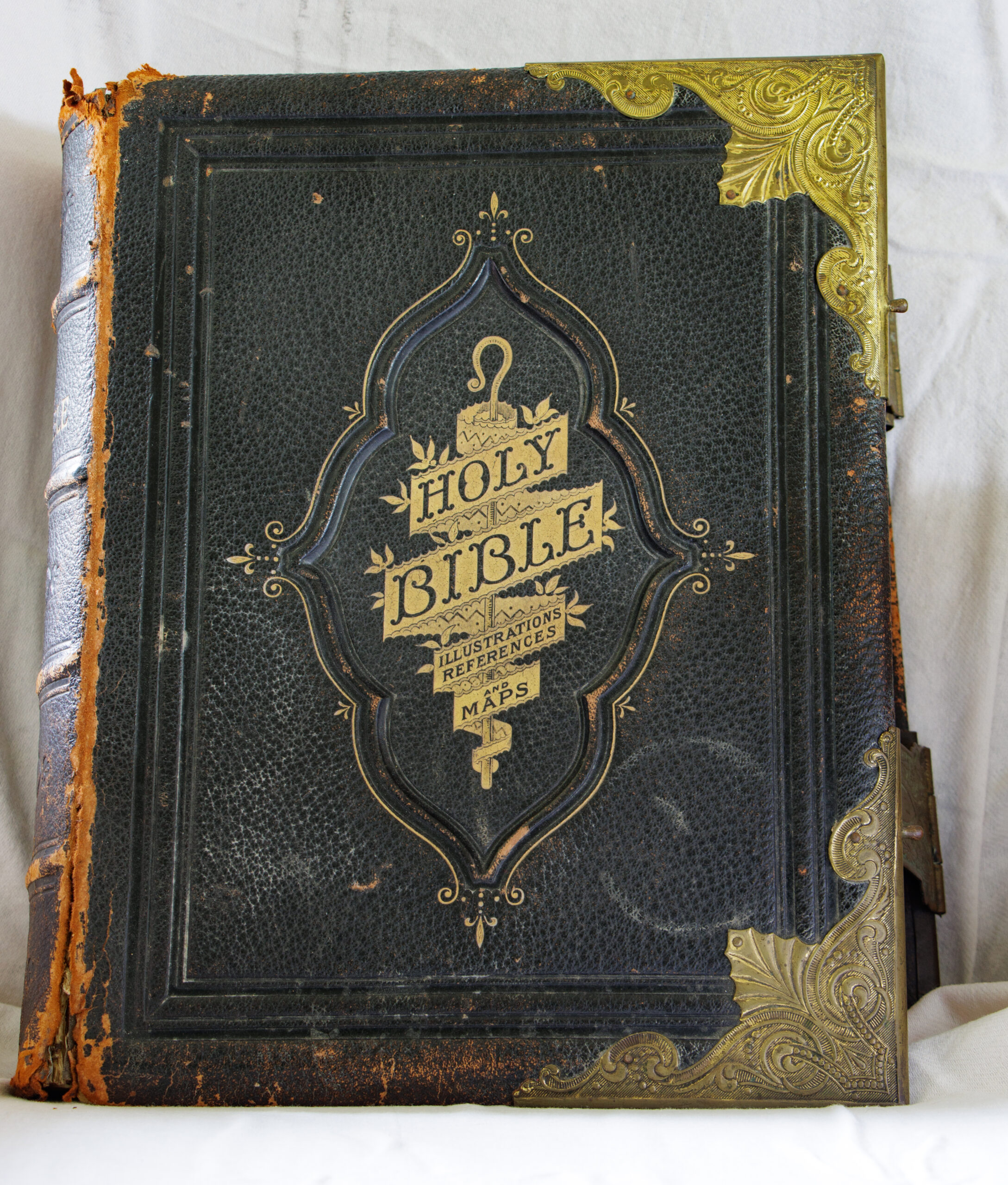
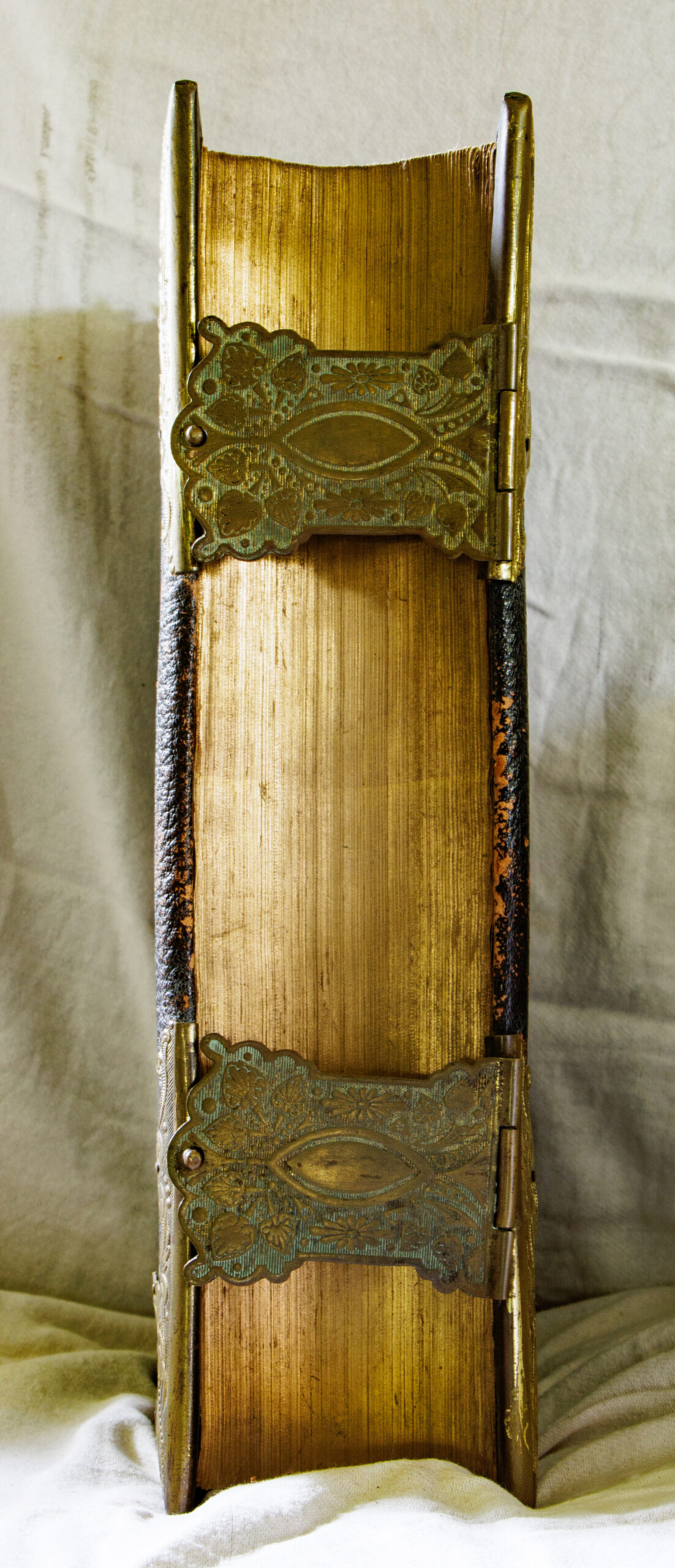
This bible is in good condition apart from the cover, which is scuffed around the edges, and the front cover is almost completely detached.
Furniture

Lloyd Loom chair
Lloyd Loom chair

Lloyd Loom baskets
Lloyd Loom baskets

G-Plan table,1960s
G-Plan table, 1960s

G-Plan table,1960s
G-Plan table, 1960s

G-Plan table,1960s
G-Plan table,1960s
Although I cannot find any identification labelling on them, I’m fairly certain that the extendable dining table with 6 chairs (recovered) are G-Plan from the 1960s.
There are some marks and stains on the top of the table, though not on the fold-away extension section.
Paintings

watercolour 26 x 18 cms. (mount size)
watercolour 26 x 18 cms. (mount size)

oil painting 35.5 x 25.5 cms.
oil painting 35.5 x 25.5 cms.

oil painting 35.5 x 25.5 cms.
oil painting 35.5 x 25.5 cms.
I know nothing about these paintings.
The first appears to be a watercolour.
The other two appear to be in oils. I remember them being in my grandmothers house in the late 1950s, and have a feeling that they came from her mother’s house, but could be wrong. I have removed them from their frames, and can find no signature on them. I have done Google image searches for them, and it comes up with various suggestions, all of which seem unlikely.
Miscellaneous
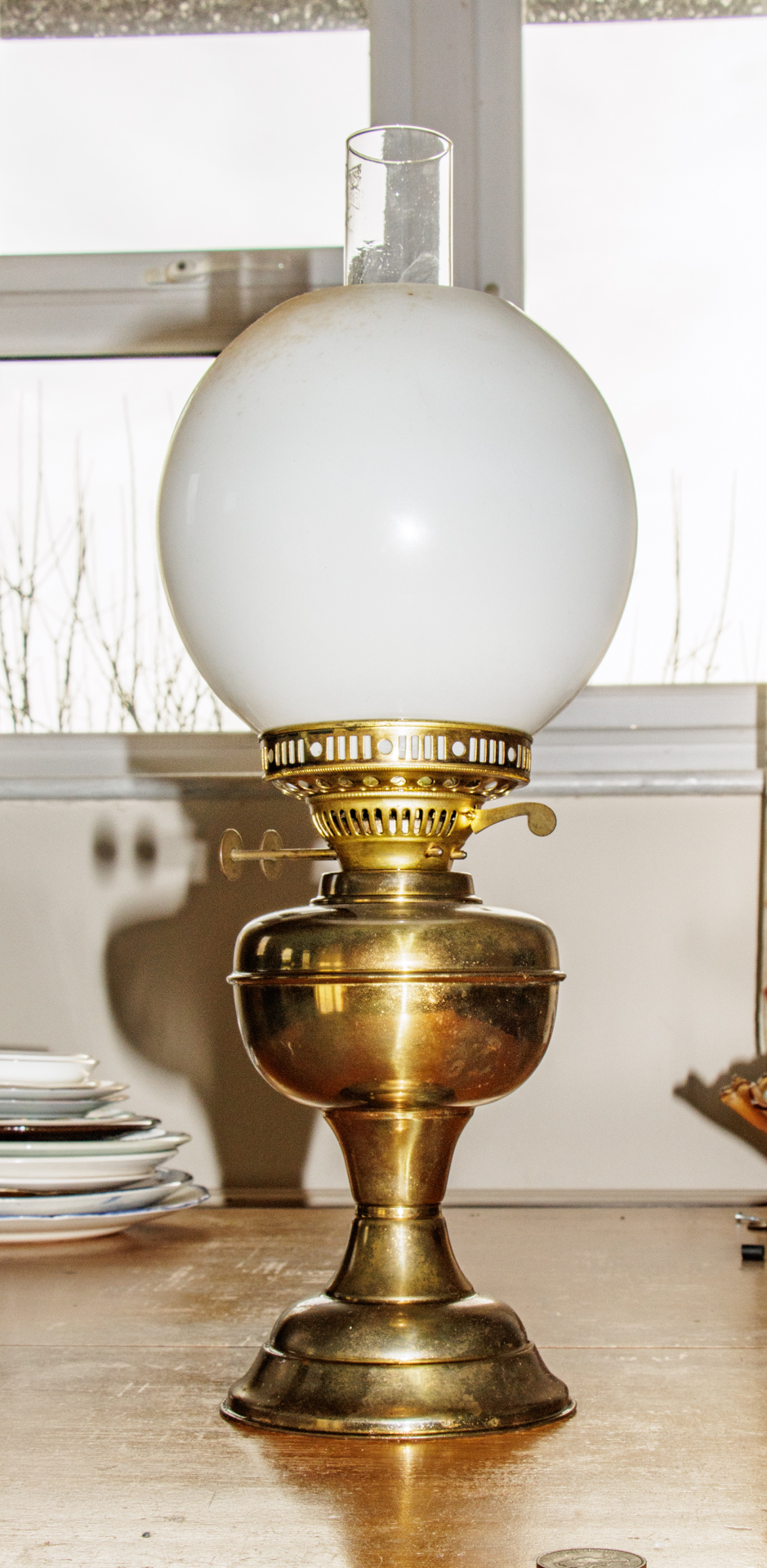
Brass paraffin lamp
Brass paraffin lamp
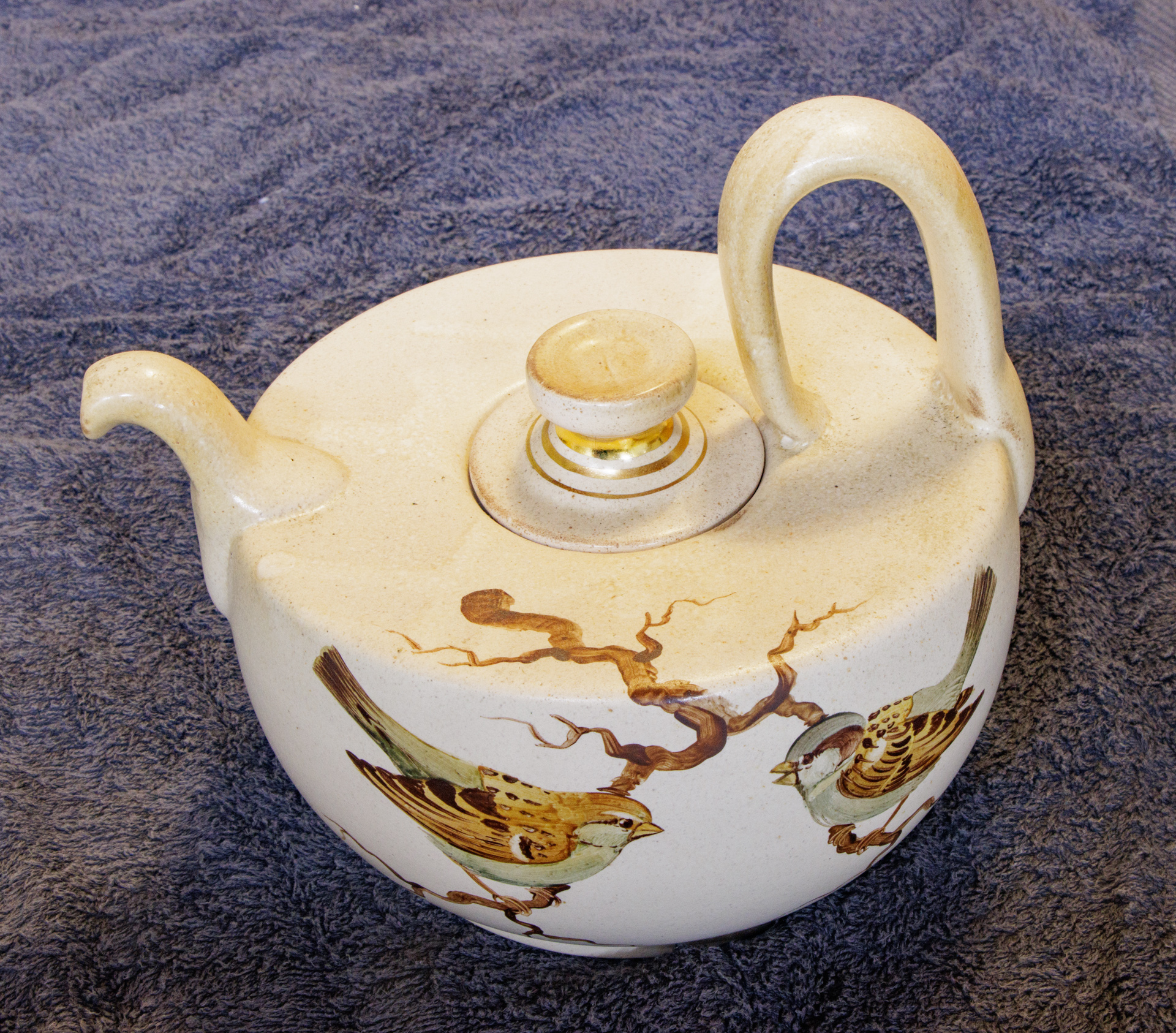
Arnaldo Miniati Tea-pot
Arnaldo Miniati Tea-pot
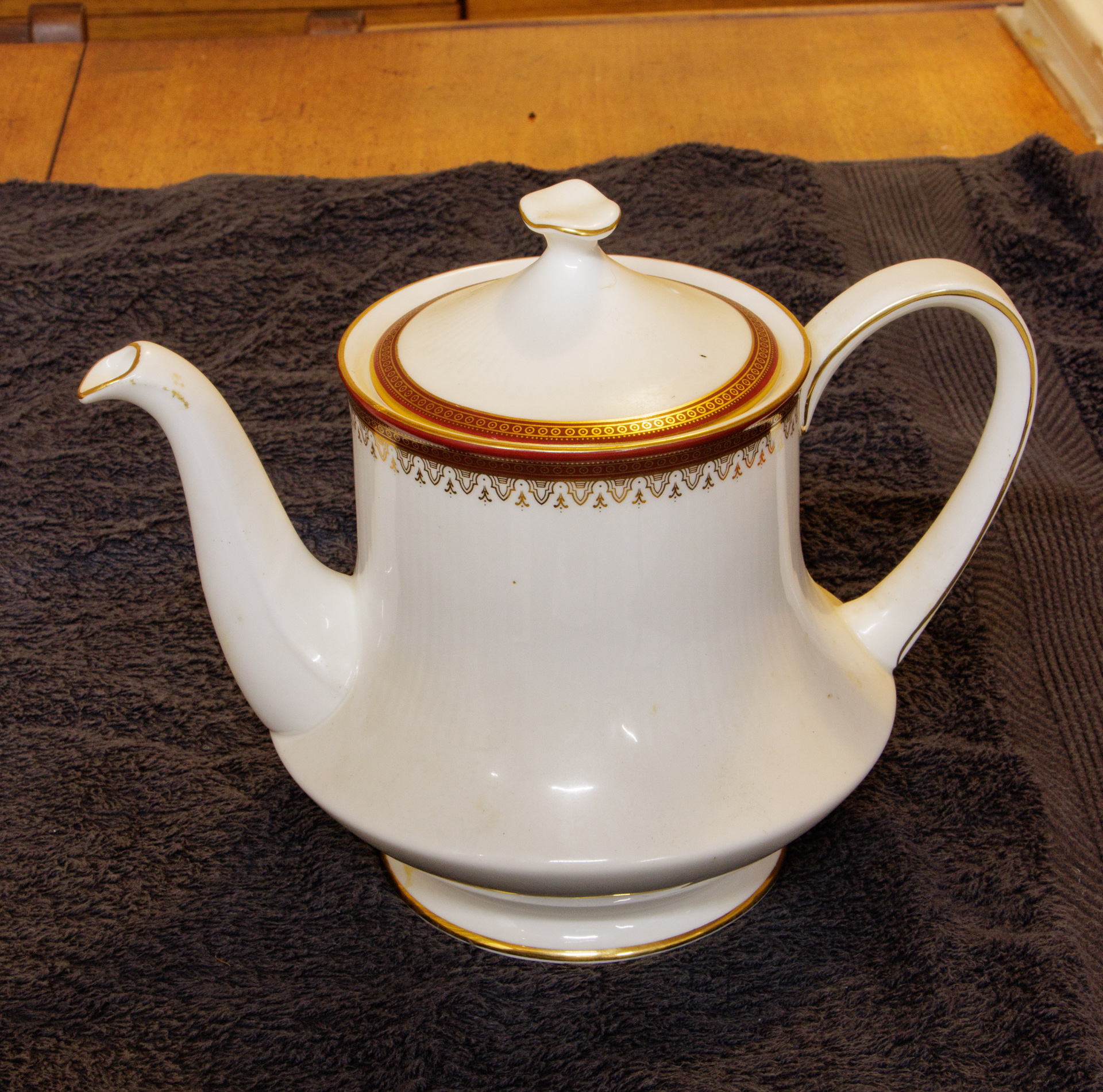
Royal Albert Paragon ‘Holyrood’ teapot
Royal Albert Paragon ‘Holyrood’ teapot
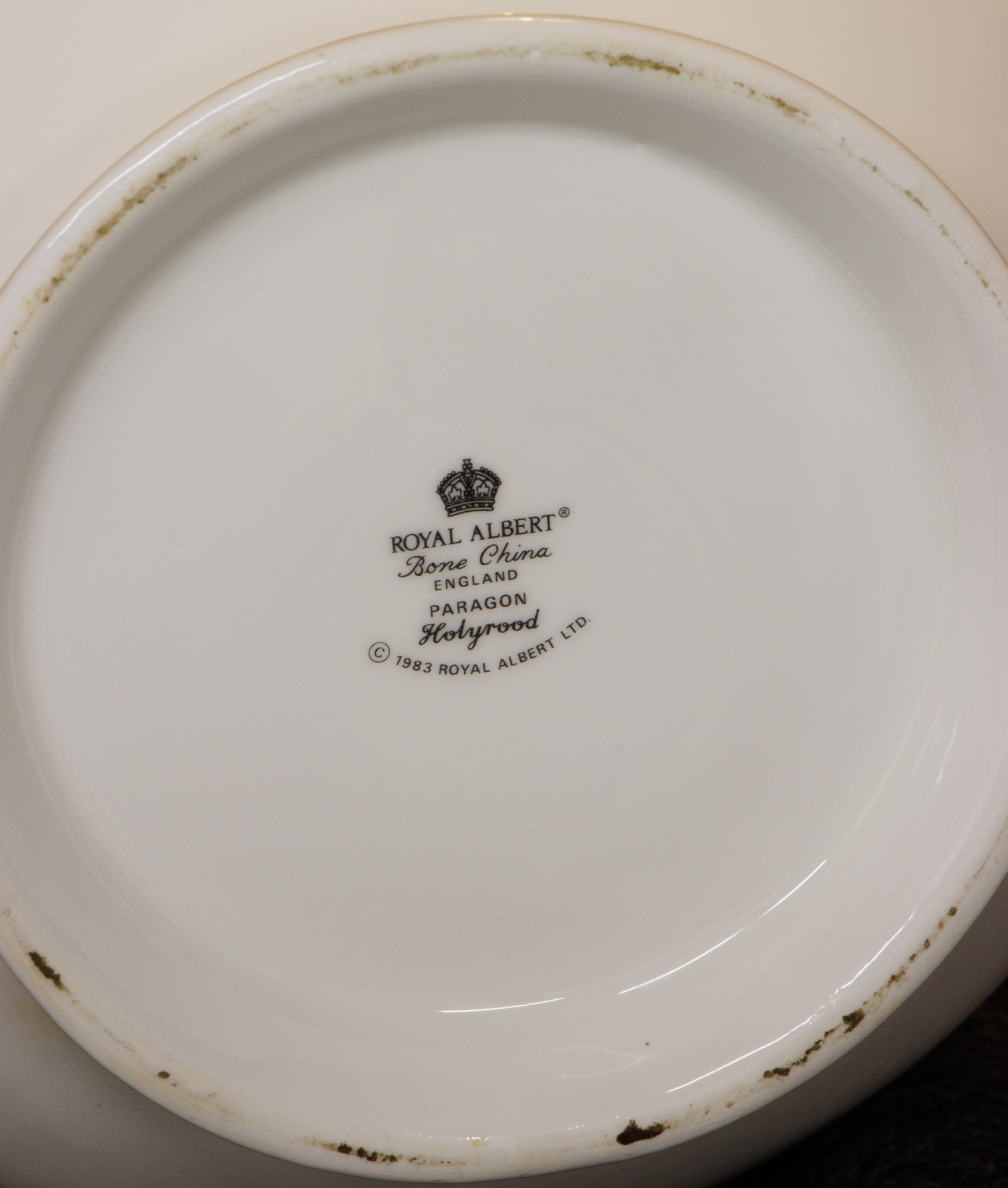
Royal Albert Paragon ‘Holyrood’ teapot
Royal Albert Paragon ‘Holyrood’ teapot
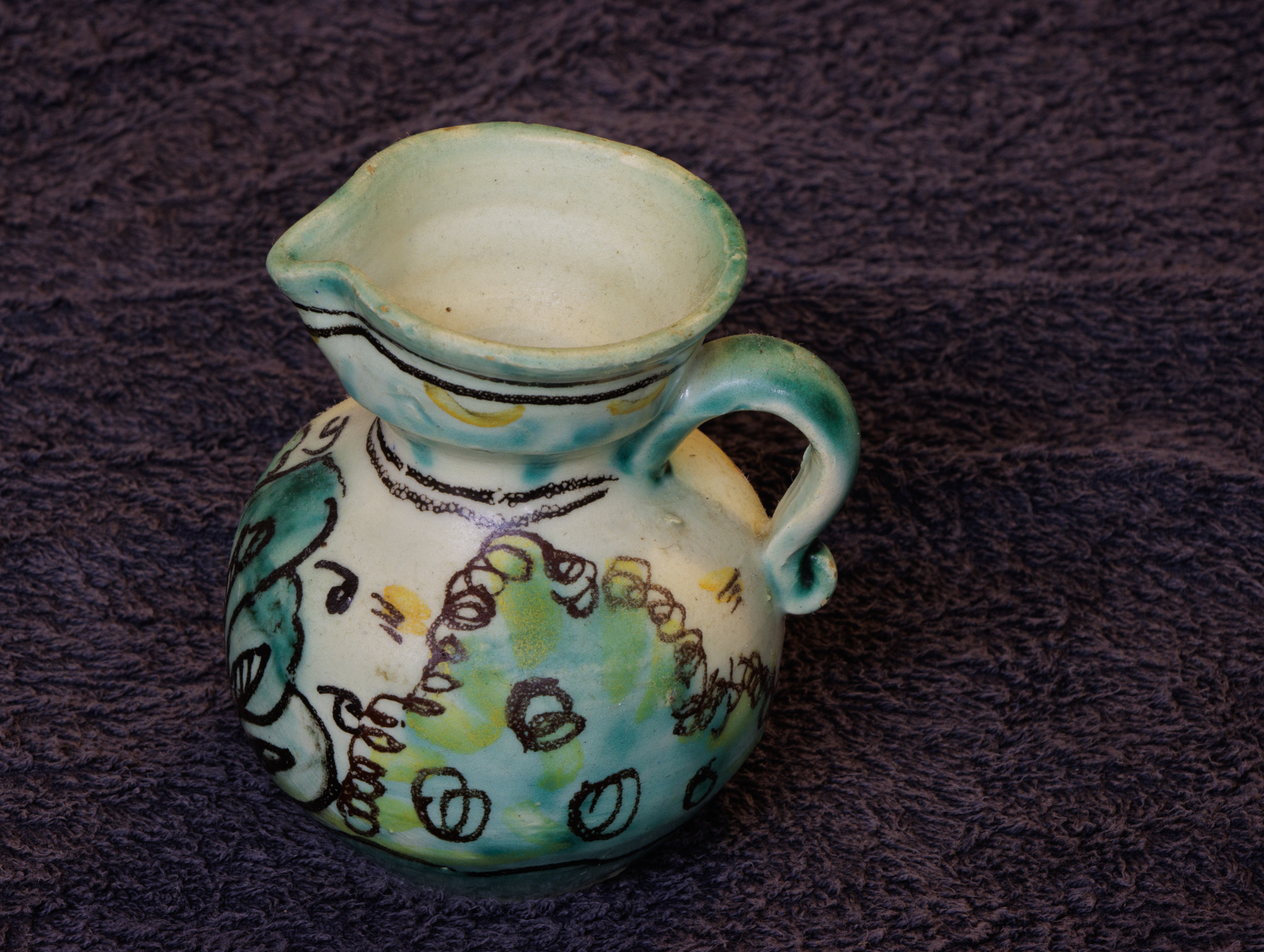
Puente Del Arzobispo? small jug
Puente Del Arzobispo? small jug
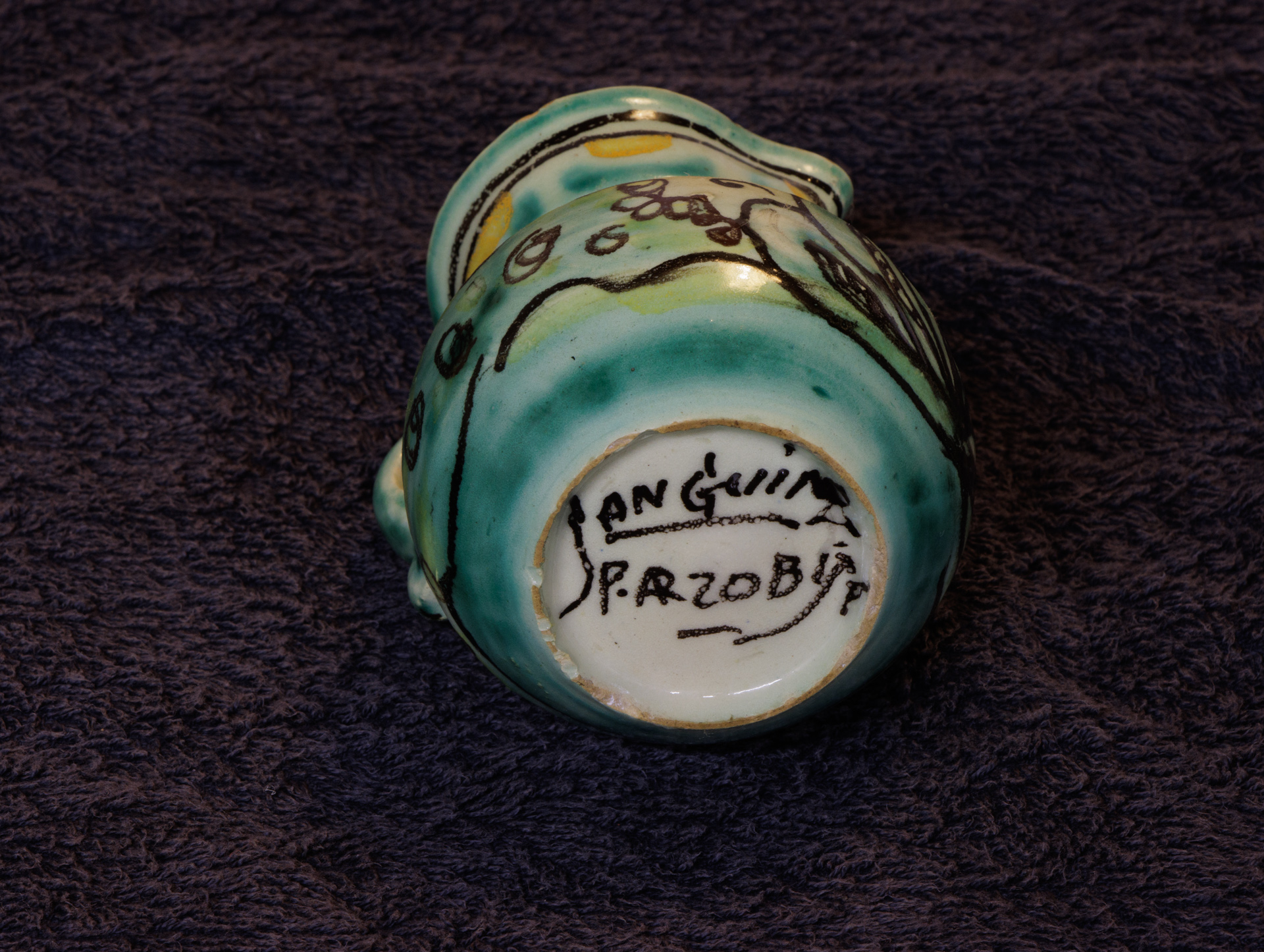
Puente Del Arzobispo? small jug
Puente Del Arzobispo? small jug
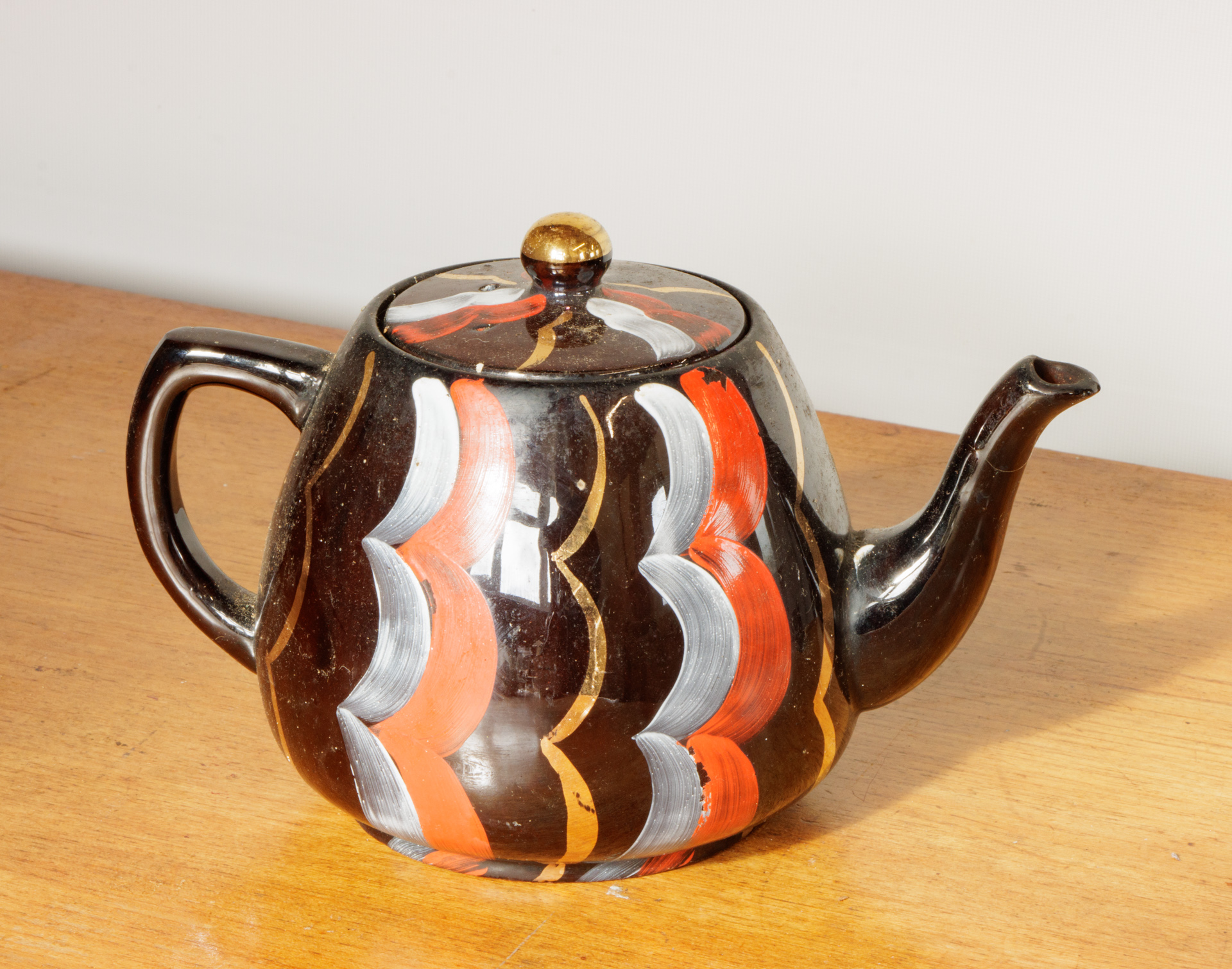
Price & Kensington (maybe) teapot
Price & Kensington (maybe) teapot
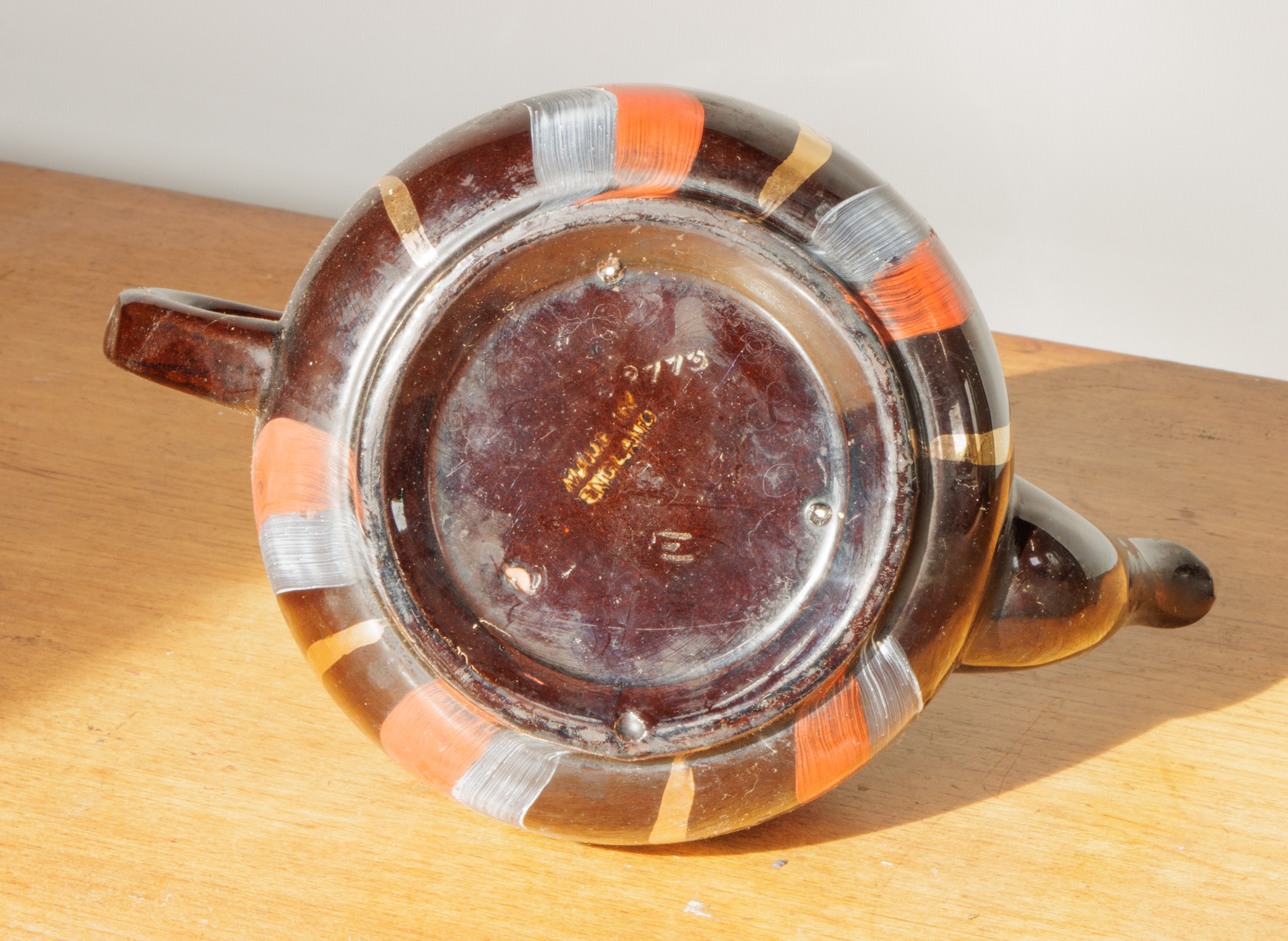
Price & Kensington (maybe) teapot
Price & Kensington (maybe) teapot
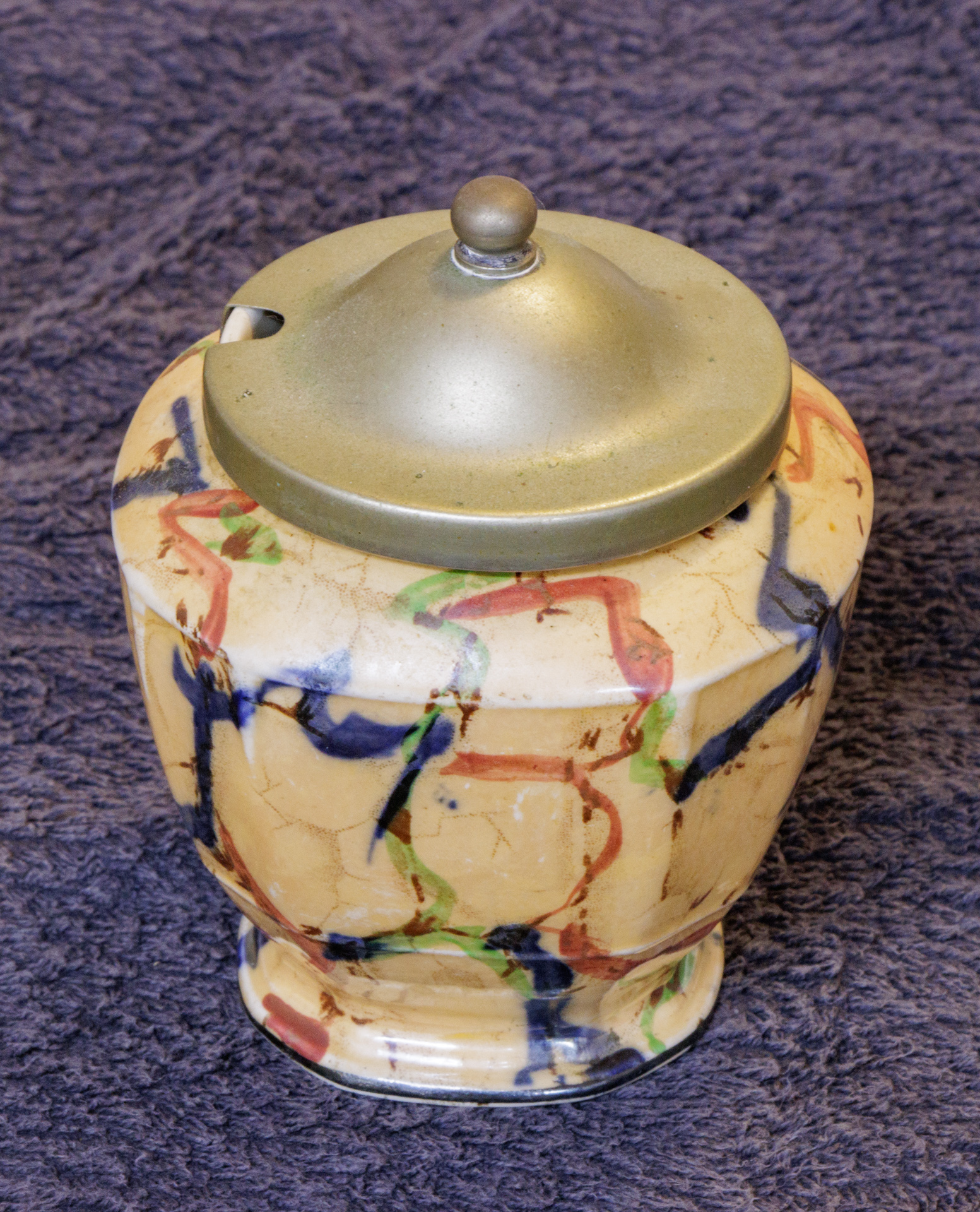
Preserve pot
Preserve pot
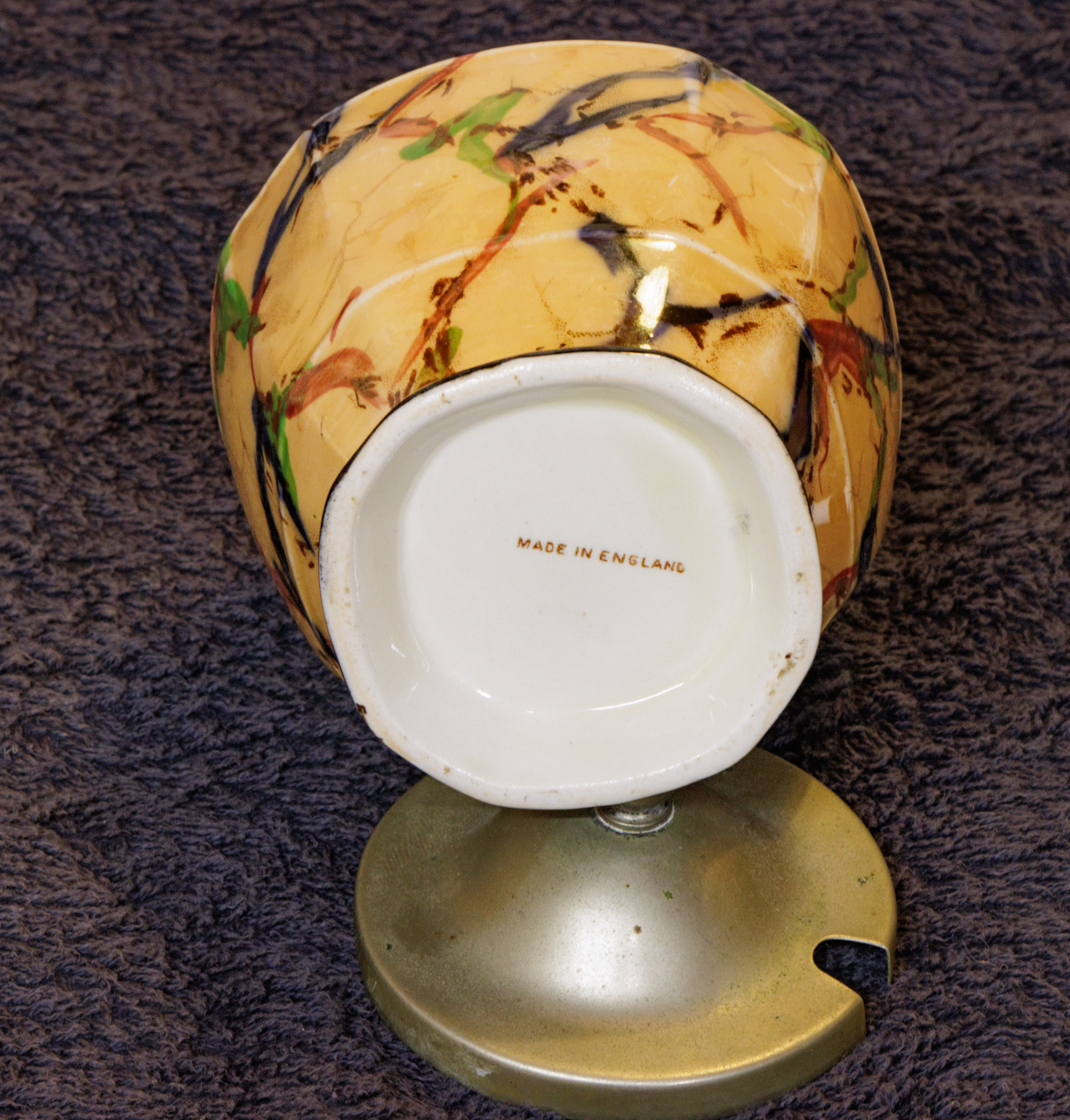
Preserve pot
Preserve pot
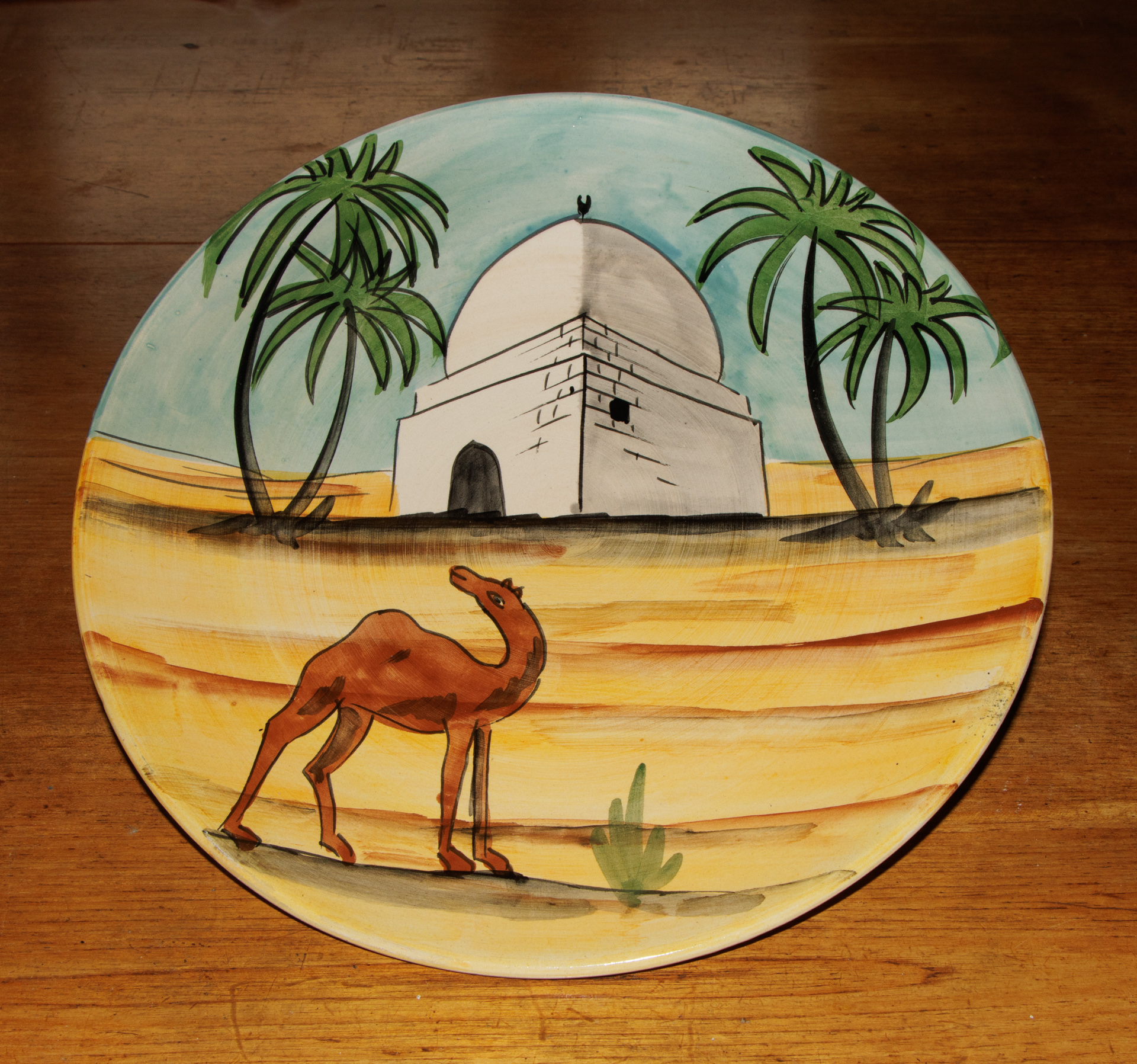
Nabeul plate
Nabeul plate
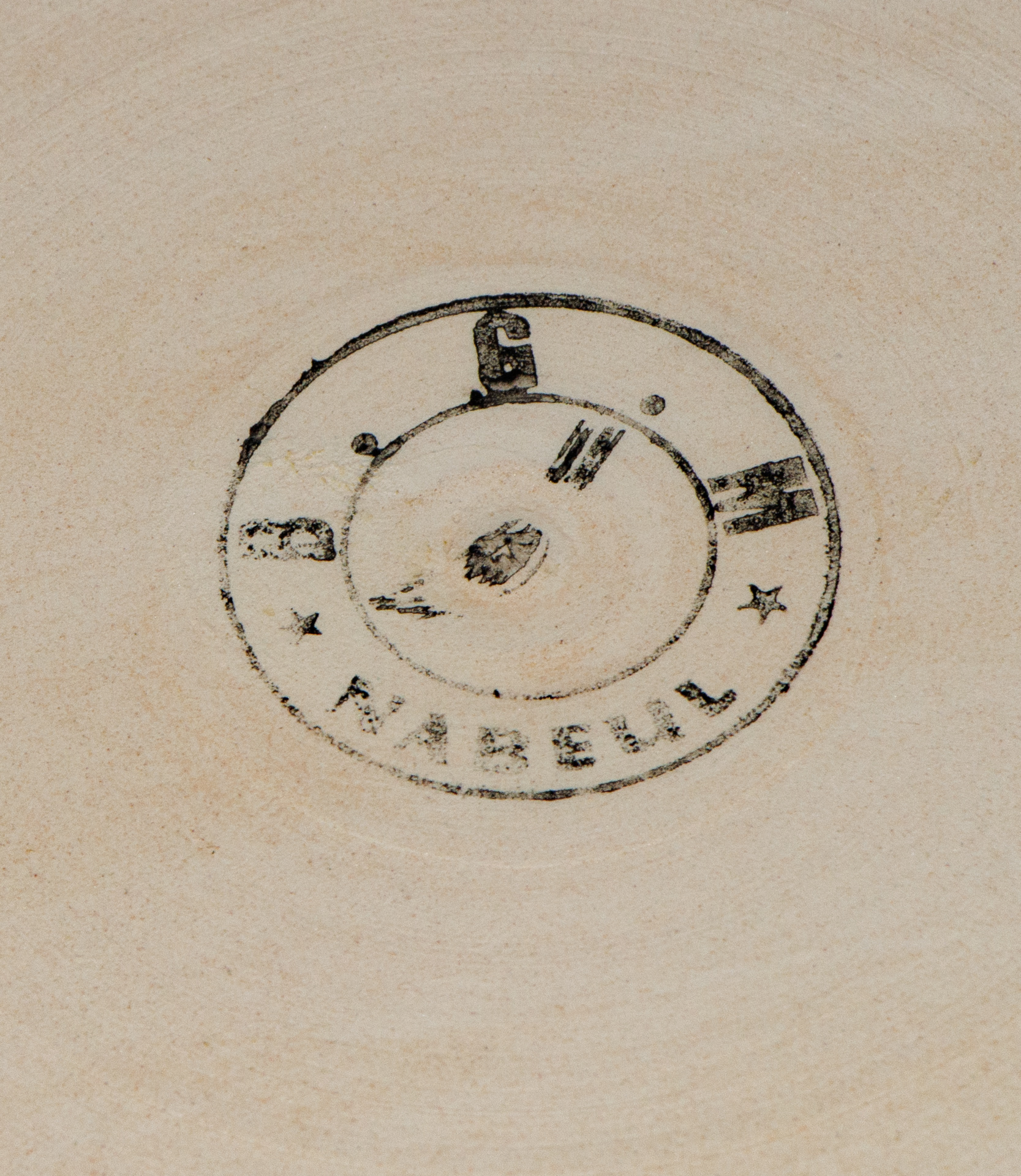
Nabeul plate
Nabeul plate

Moorcroft Hibiscus vase
Moorcroft Hibiscus vase

Moorcroft Hibiscus vase
Moorcroft Hibiscus vase
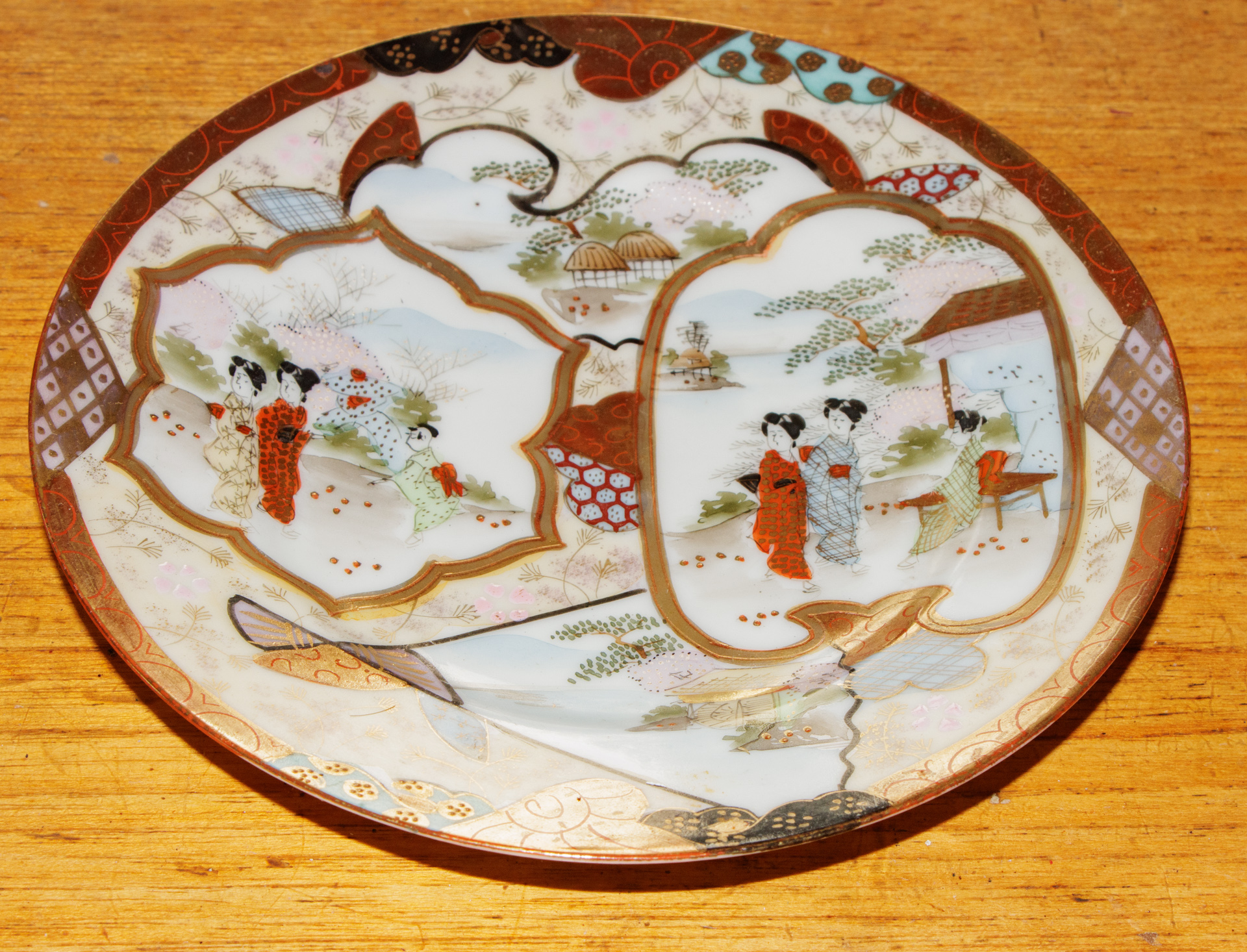
Kutani Shoza-style plate
Kutani Shoza-style plate
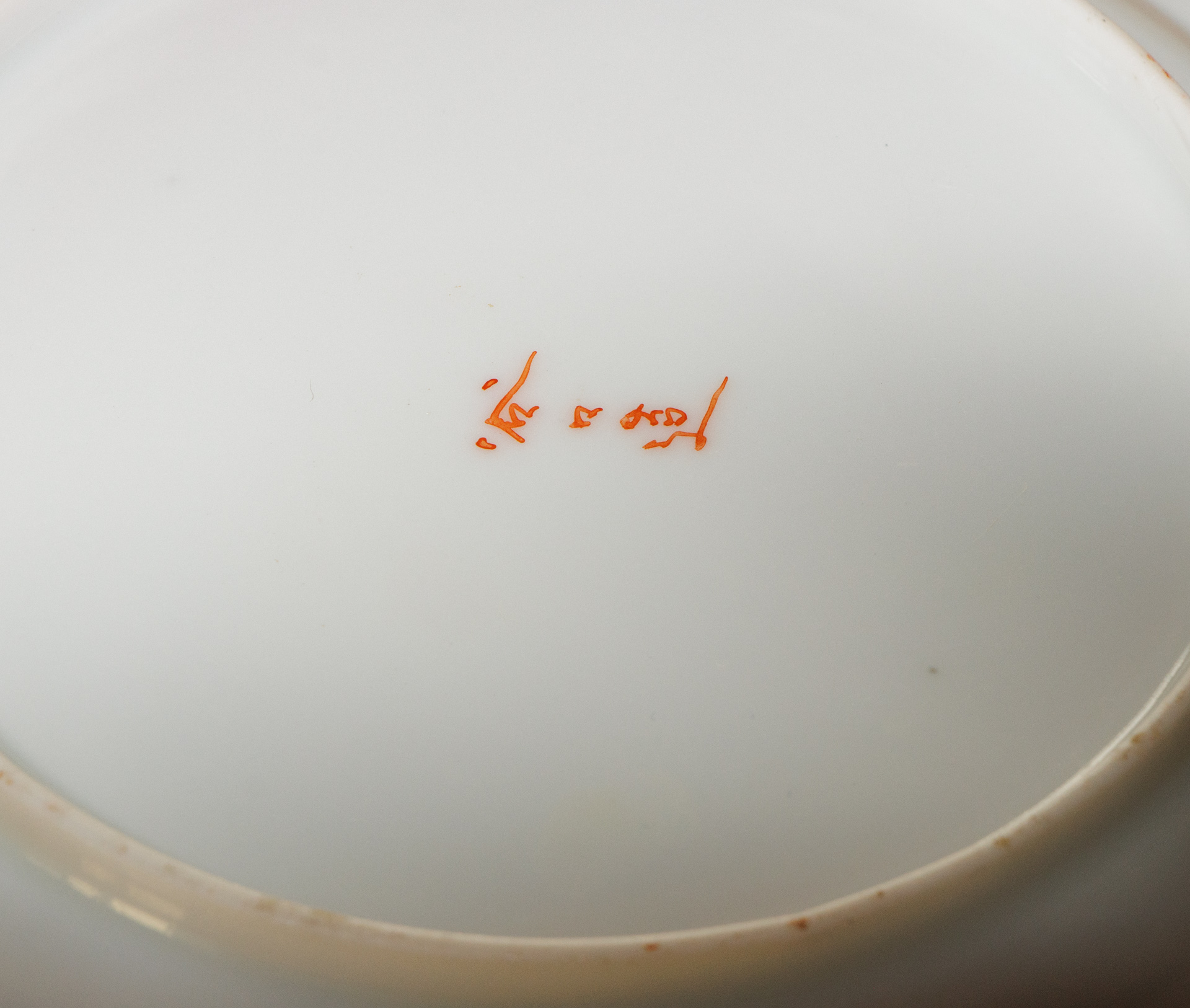
Kutani Shoza-style plate
Kutani Shoza-style plate
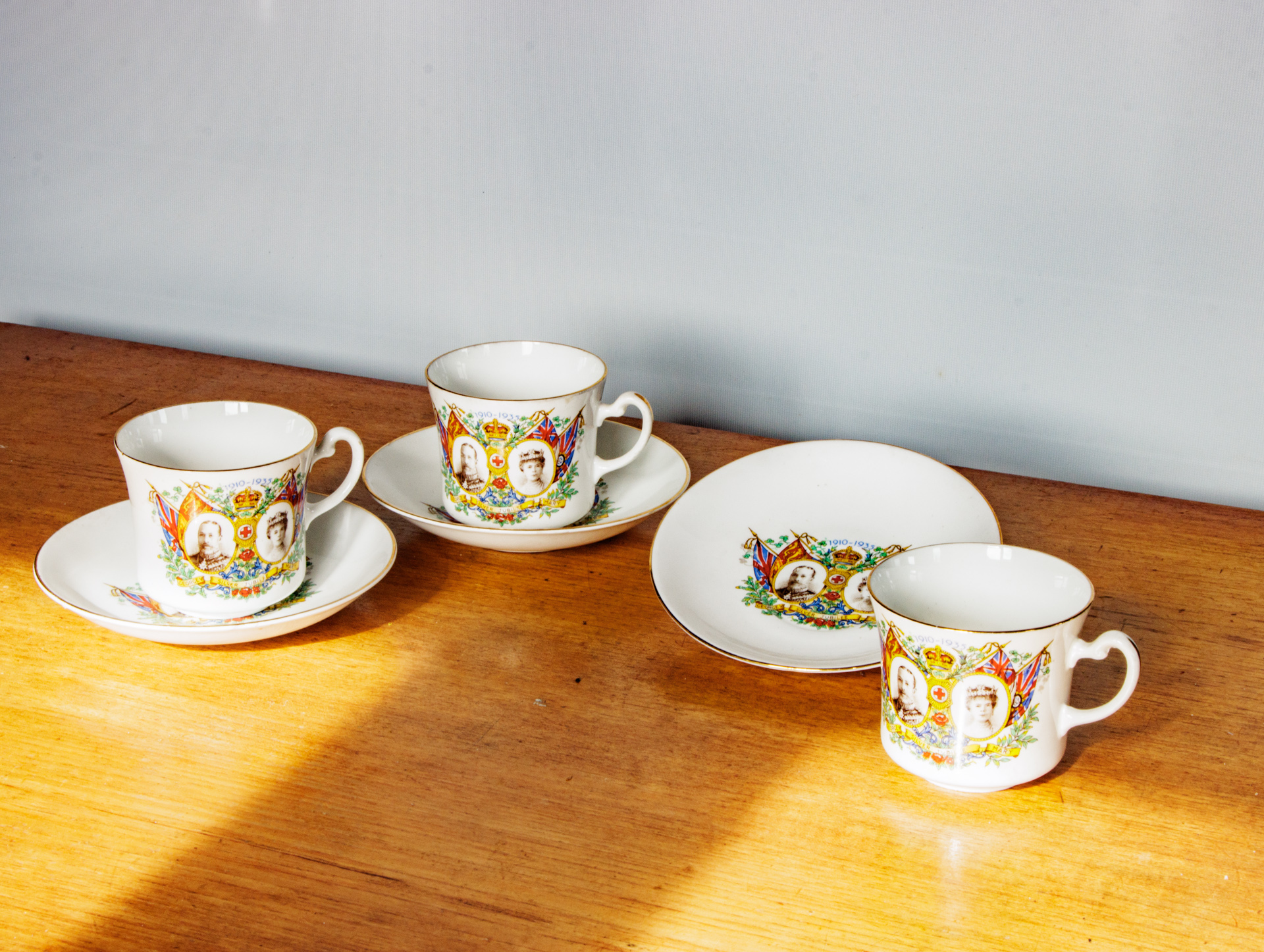
King George V Silver Jubilee Cups
King George V Silver Jubilee Cups

King George V Silver Jubilee Cups
King George V Silver Jubilee Cups

J.T. & Sons Majoilca No 5G planter
J.T. & Sons Majoilca No 5G planter

J.T. & Sons Majoilca No 5G planter
J.T. & Sons Majoilca No 5G planter
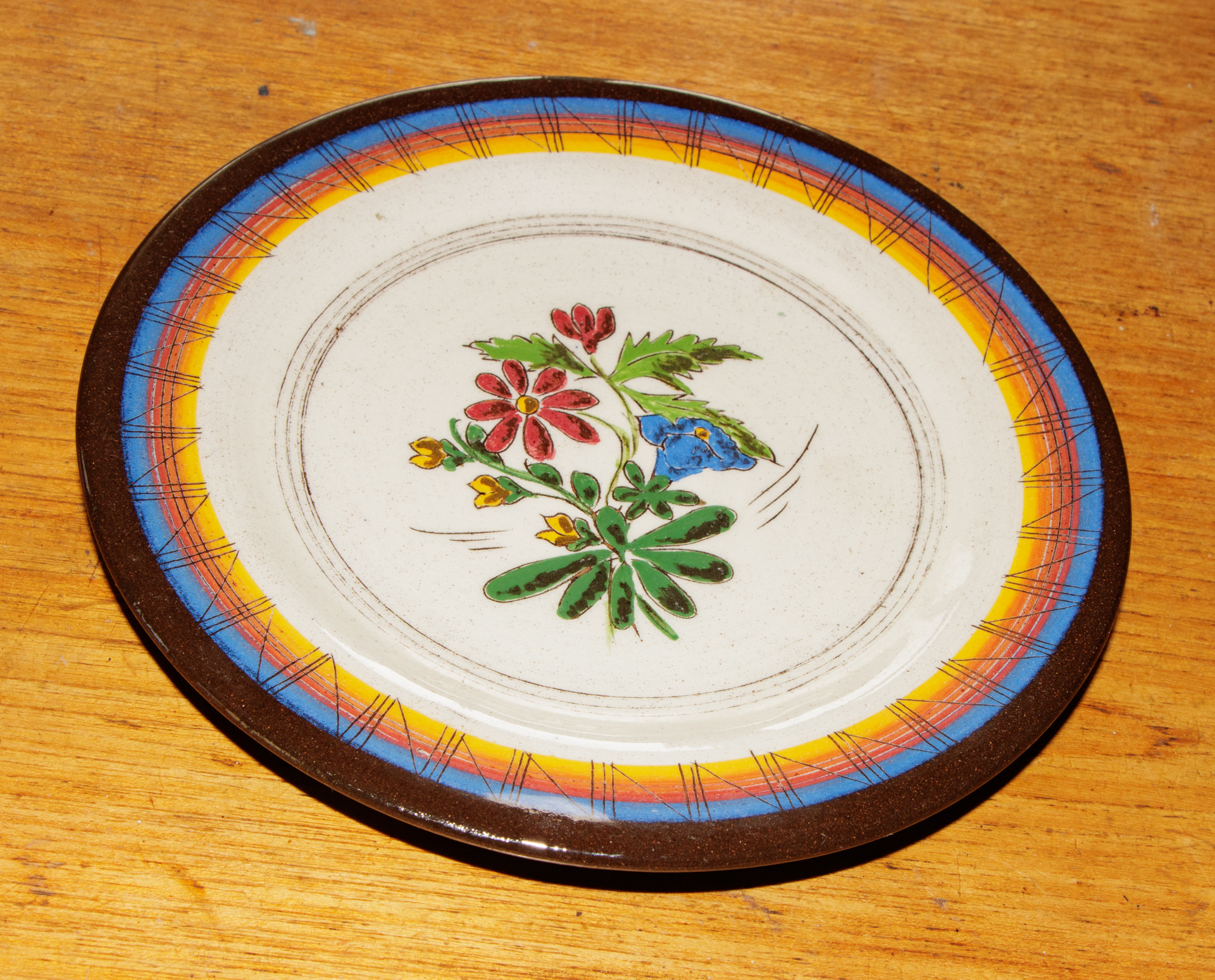
Heimberg (Switzerland) wall-hanging plate
Heimberg (Switzerland) wall-hanging plate
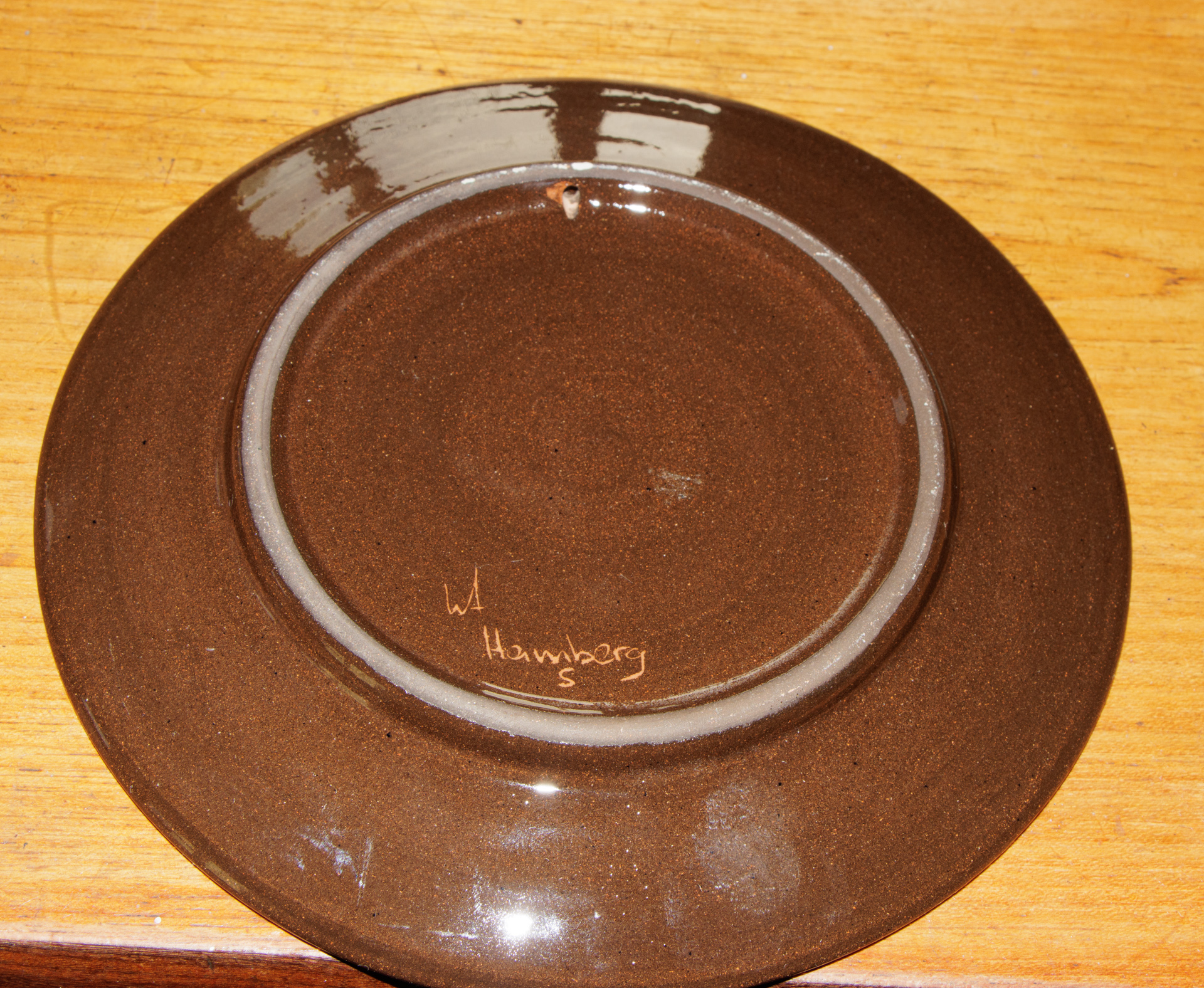
Heimberg (Switzerland) wall-hanging plate
Heimberg (Switzerland) wall-hanging plate
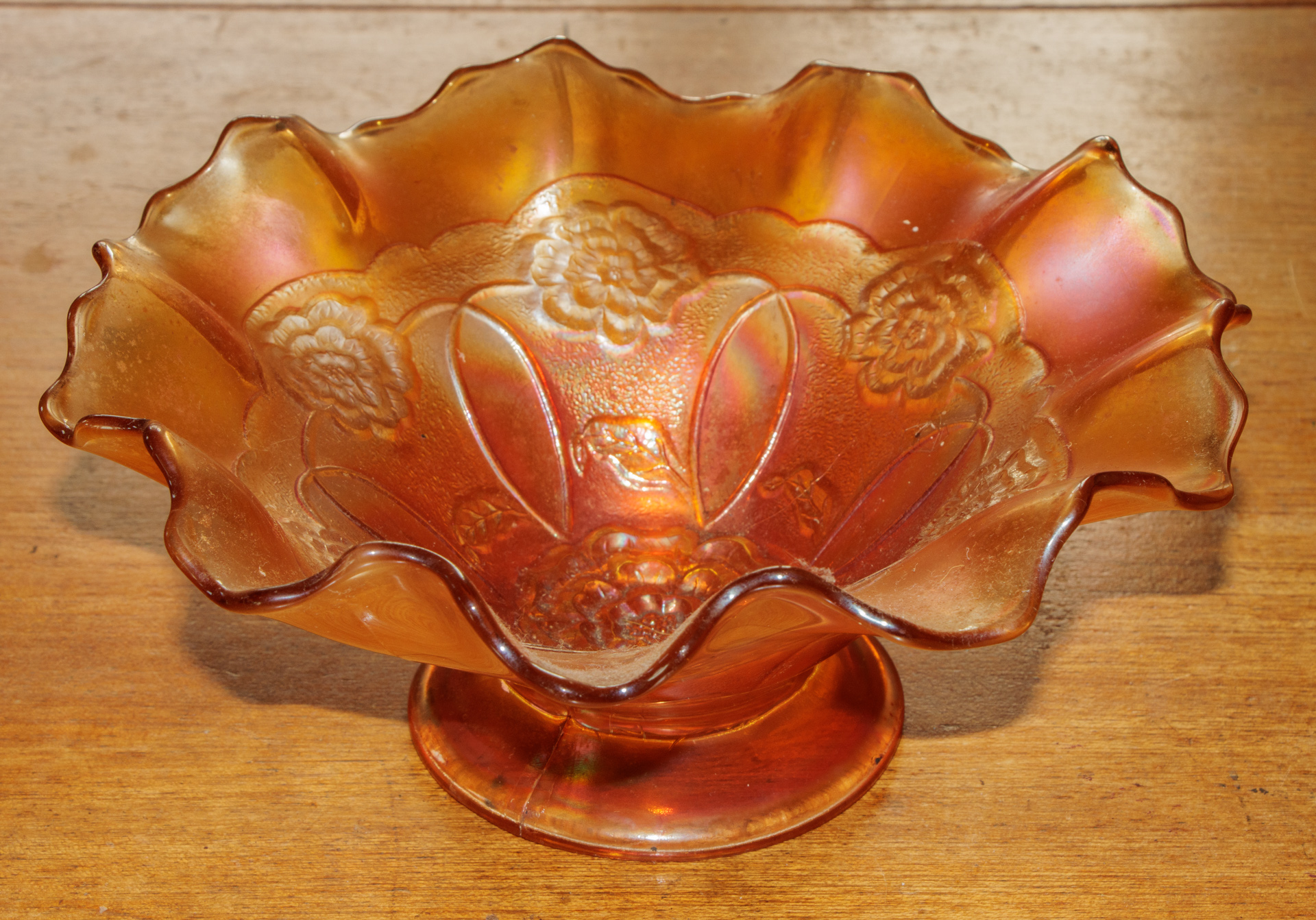
Dugan (?) carnival glass bowl
Dugan (?) carnival glass bowl

David Winter ‘The Bakehouse’
David Winter ‘The Bakehouse’

David Winter ‘The Bakehouse’
David Winter ‘The Bakehouse’
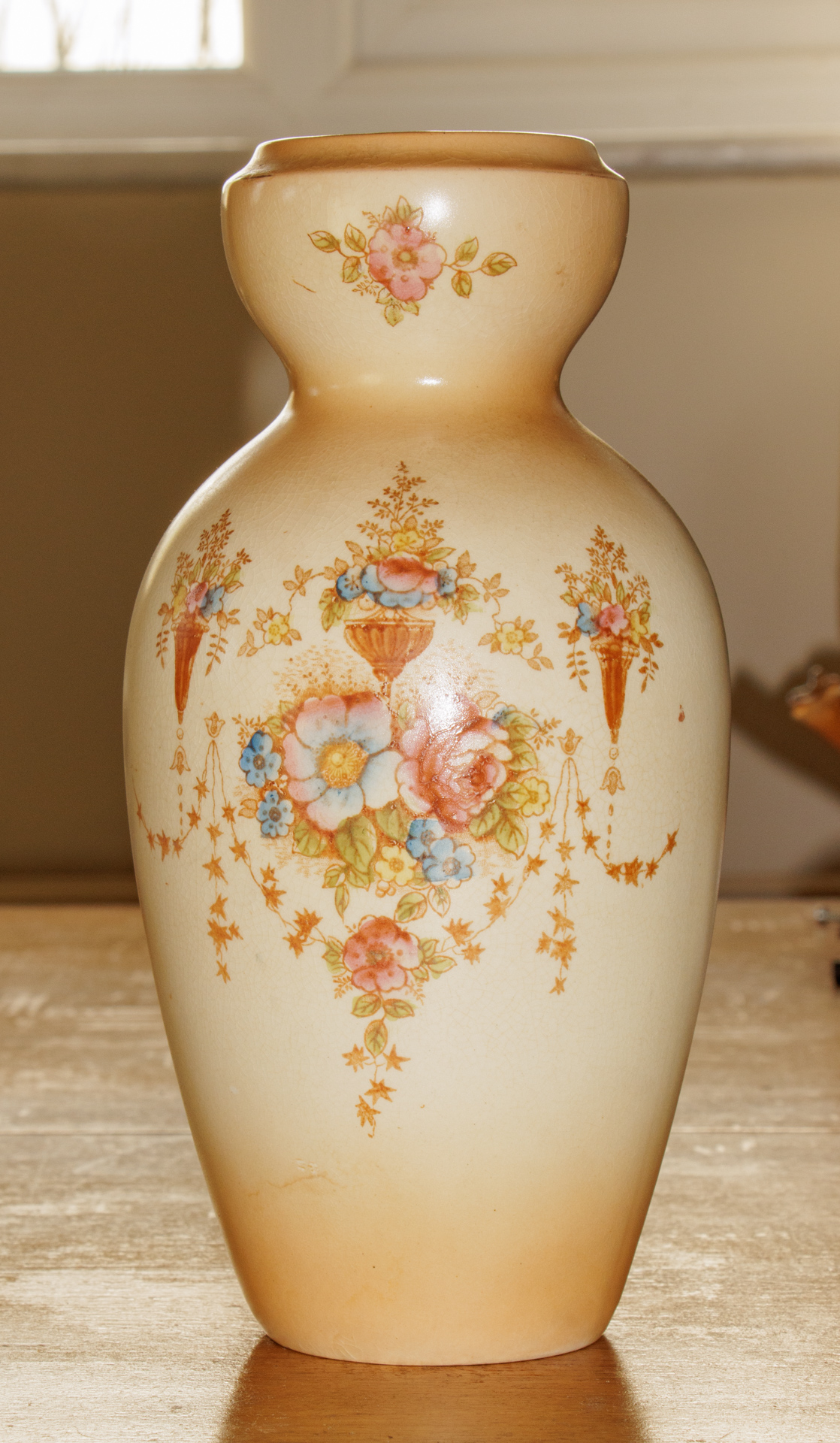
Crown Devon Fielding’s vase
Crown Devon Fielding’s vase
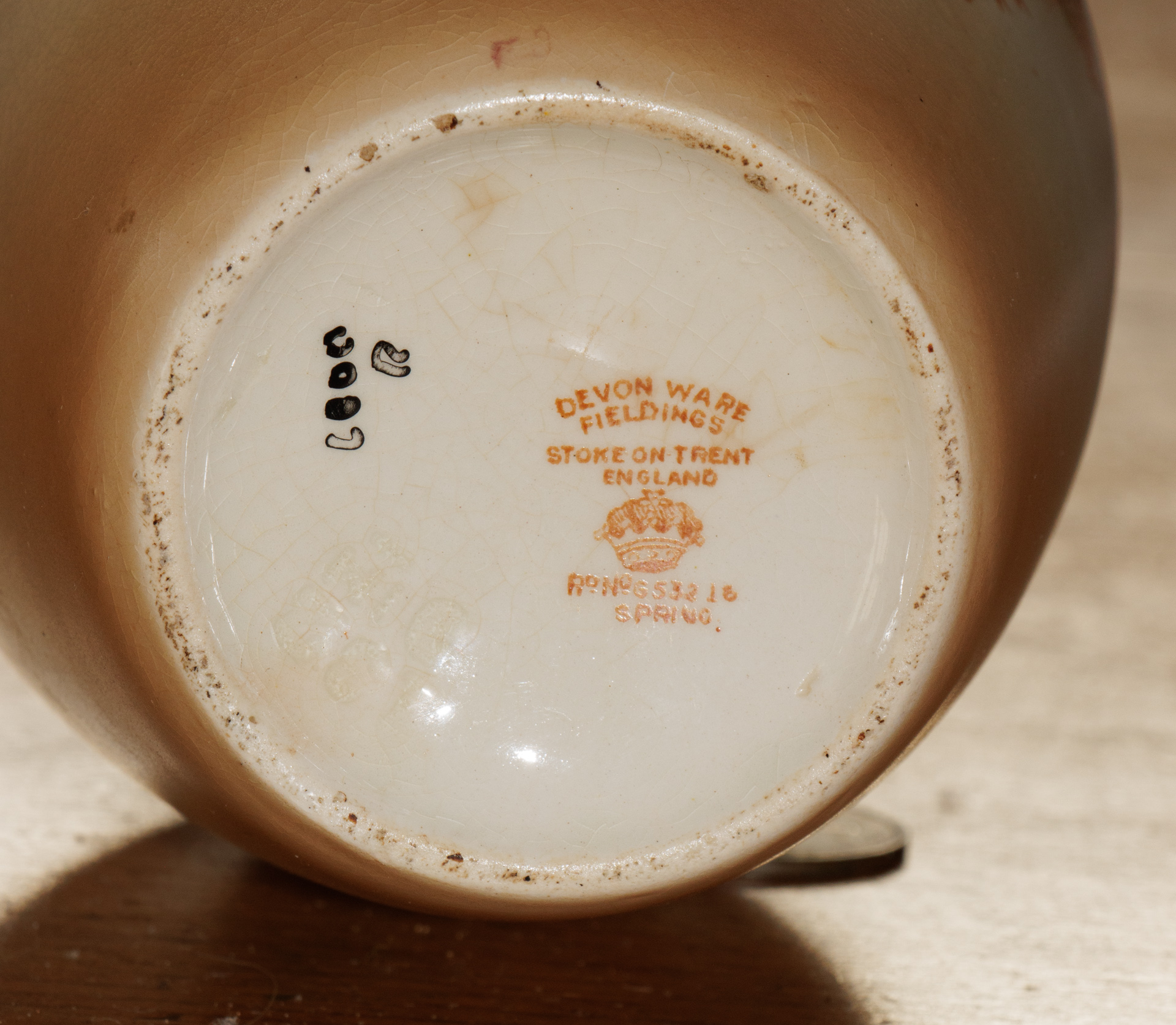
Crown Devon Fielding’s vase
Crown Devon Fielding’s vase
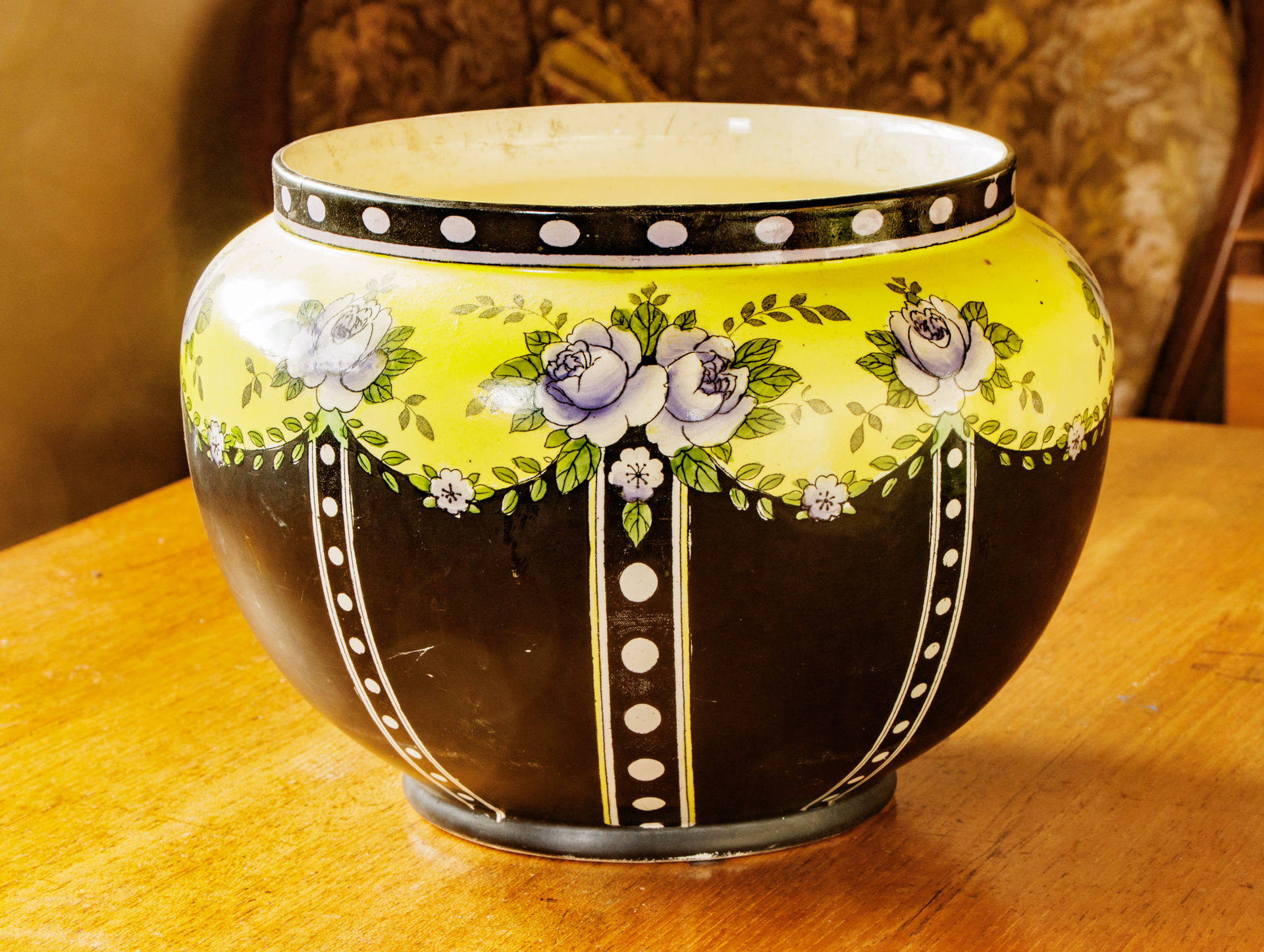
Crown Devon Fielding’s – maybe aspidistra pot?
Crown Devon Fielding’s pot
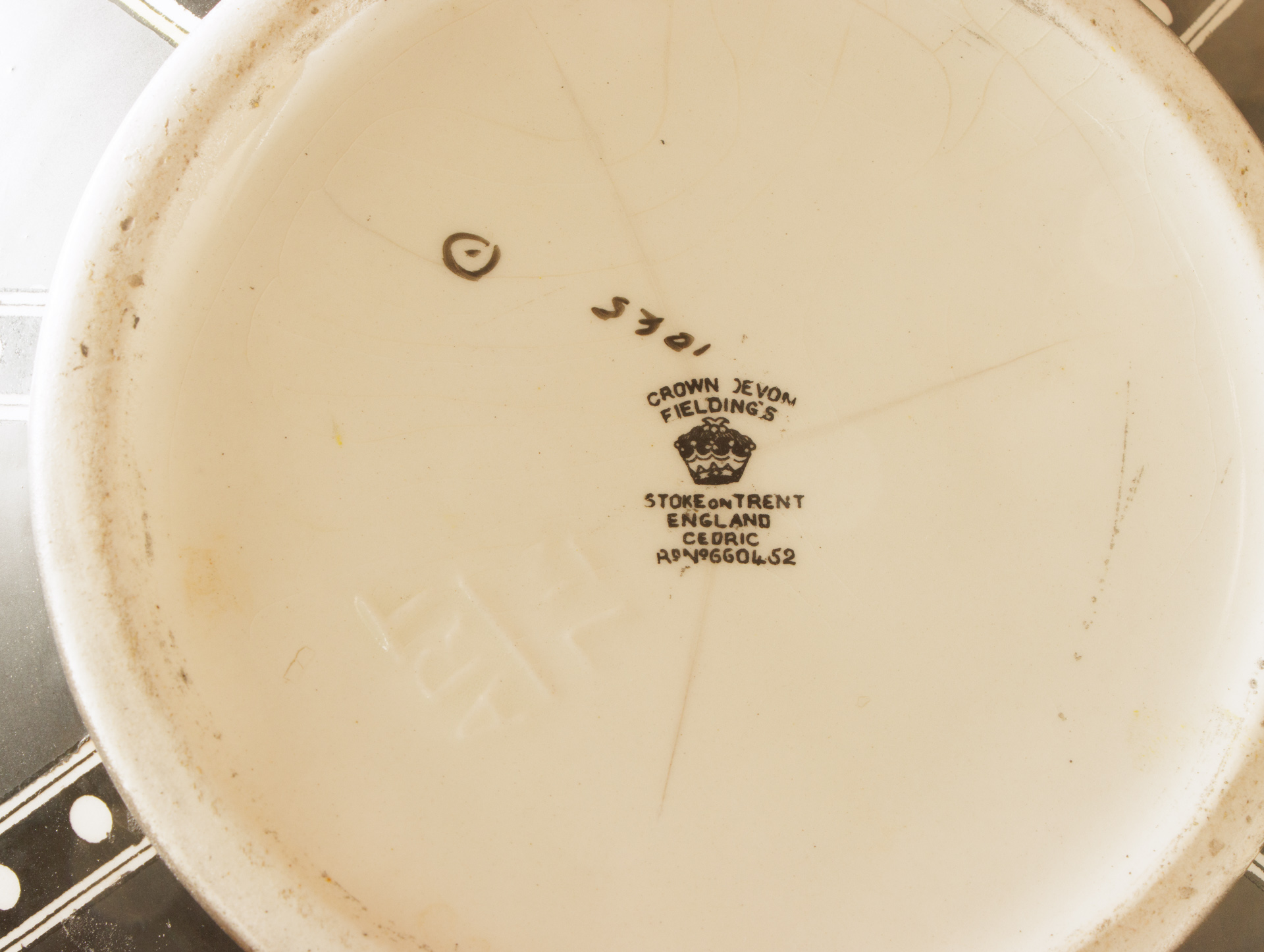
Crown Devon Fielding’s – maybe aspidistra pot?
Crown Devon Fielding’s pot
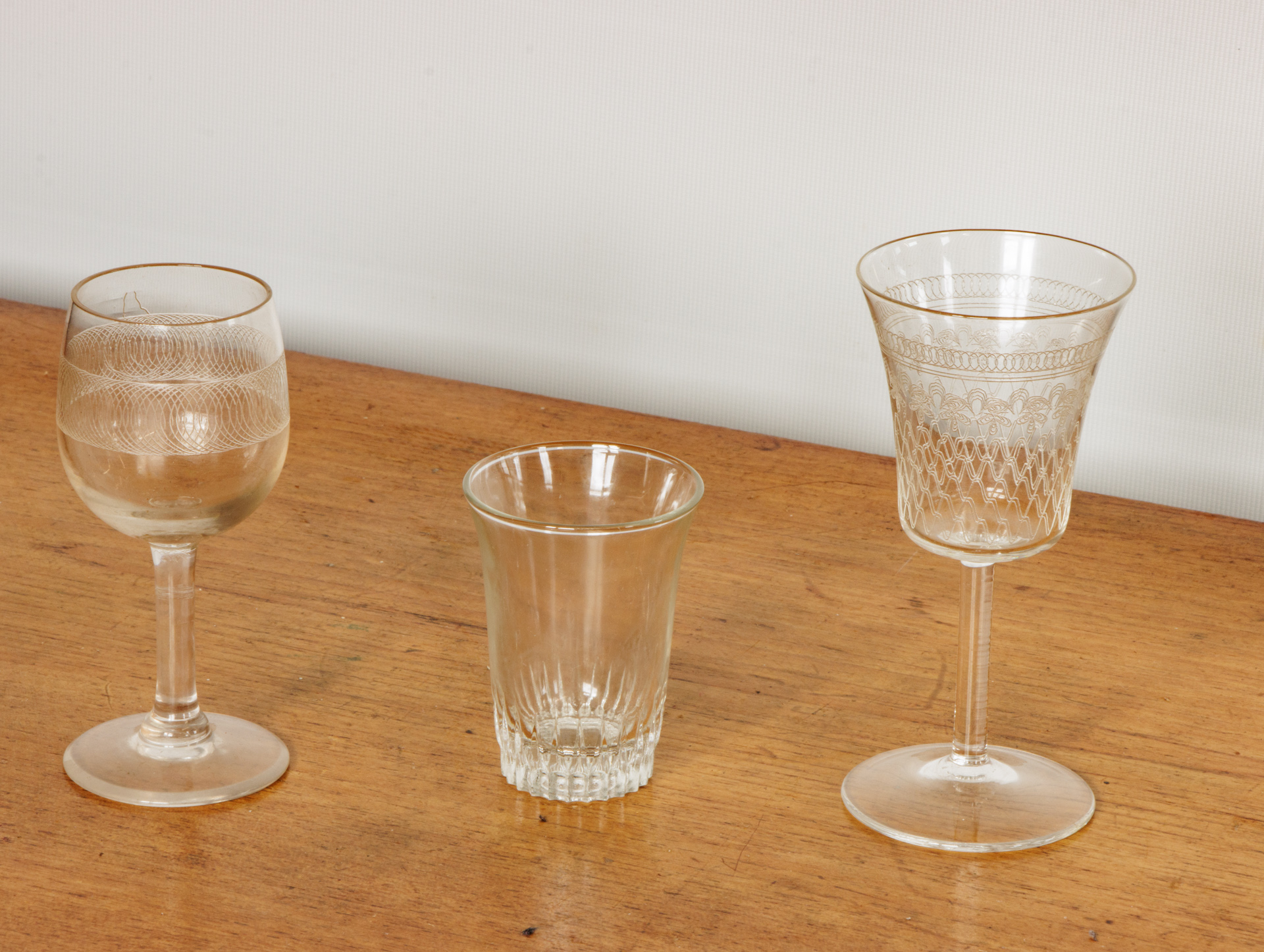
various glasses
various glasses

Bourne Denby posy basket
Bourne Denby posy basket

Bourne Denby posy basket
Bourne Denby posy basket

Bridgwood Anchor or Edwards and Brown ‘Duchess’ c1910-1933 – small bowls
Bridgwood Anchor or Edwards and Brown ‘Duchess’ c1910-1933 – small bowls

Brass teapot stand
Brass teapot stand

Brass teapot stand
Brass teapot stand
I have identified the pottery / ceramics as best I can.
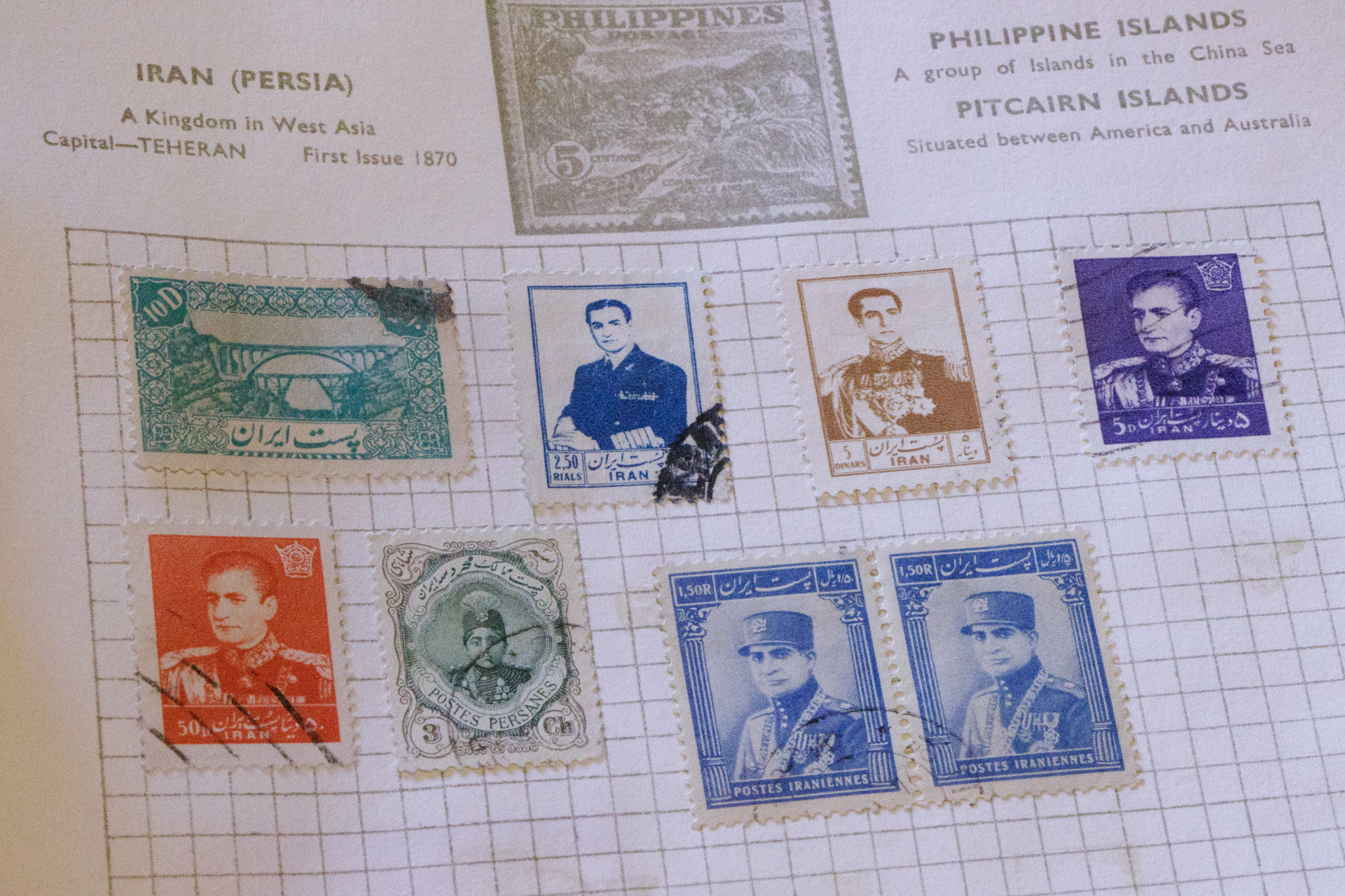
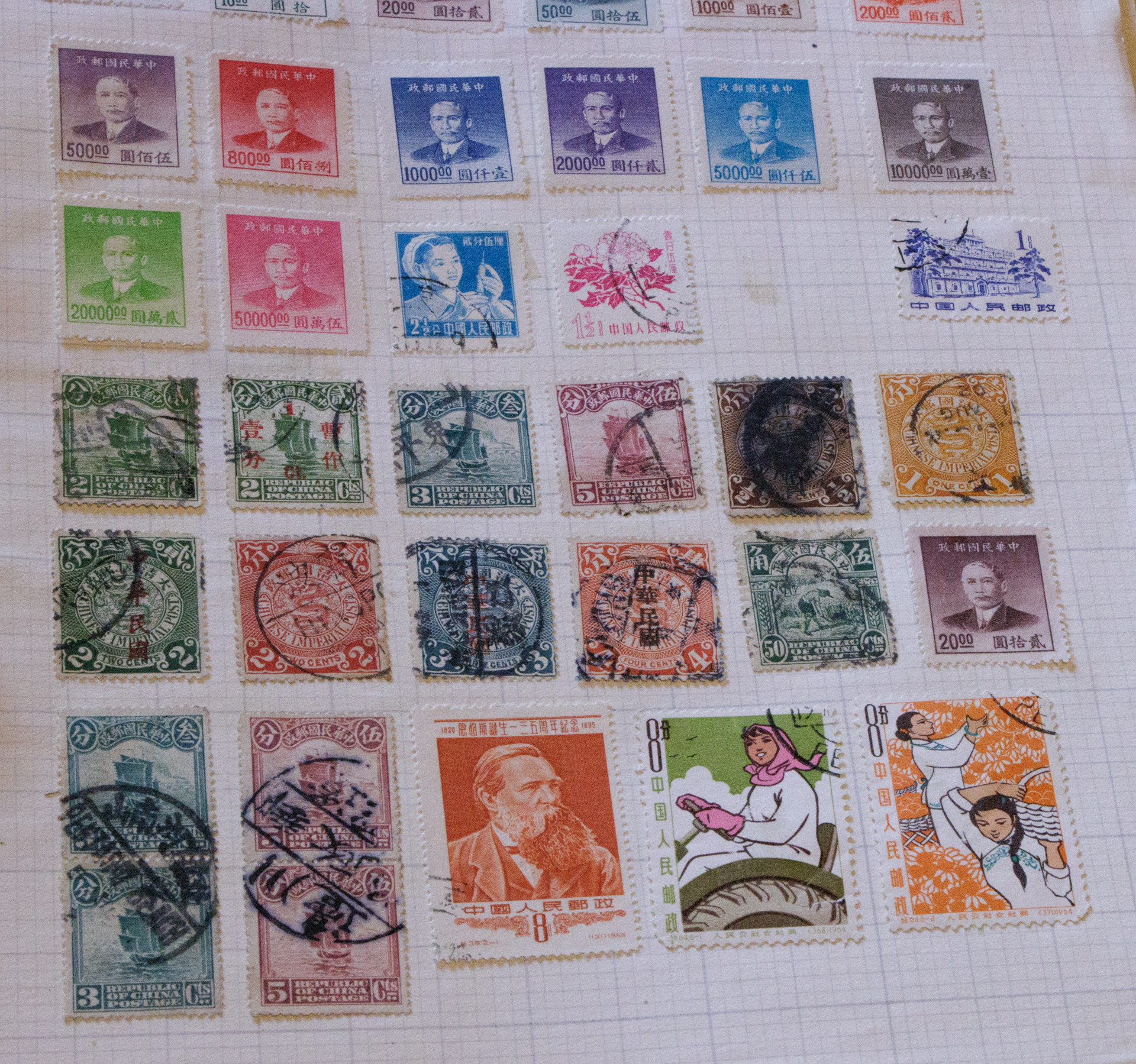
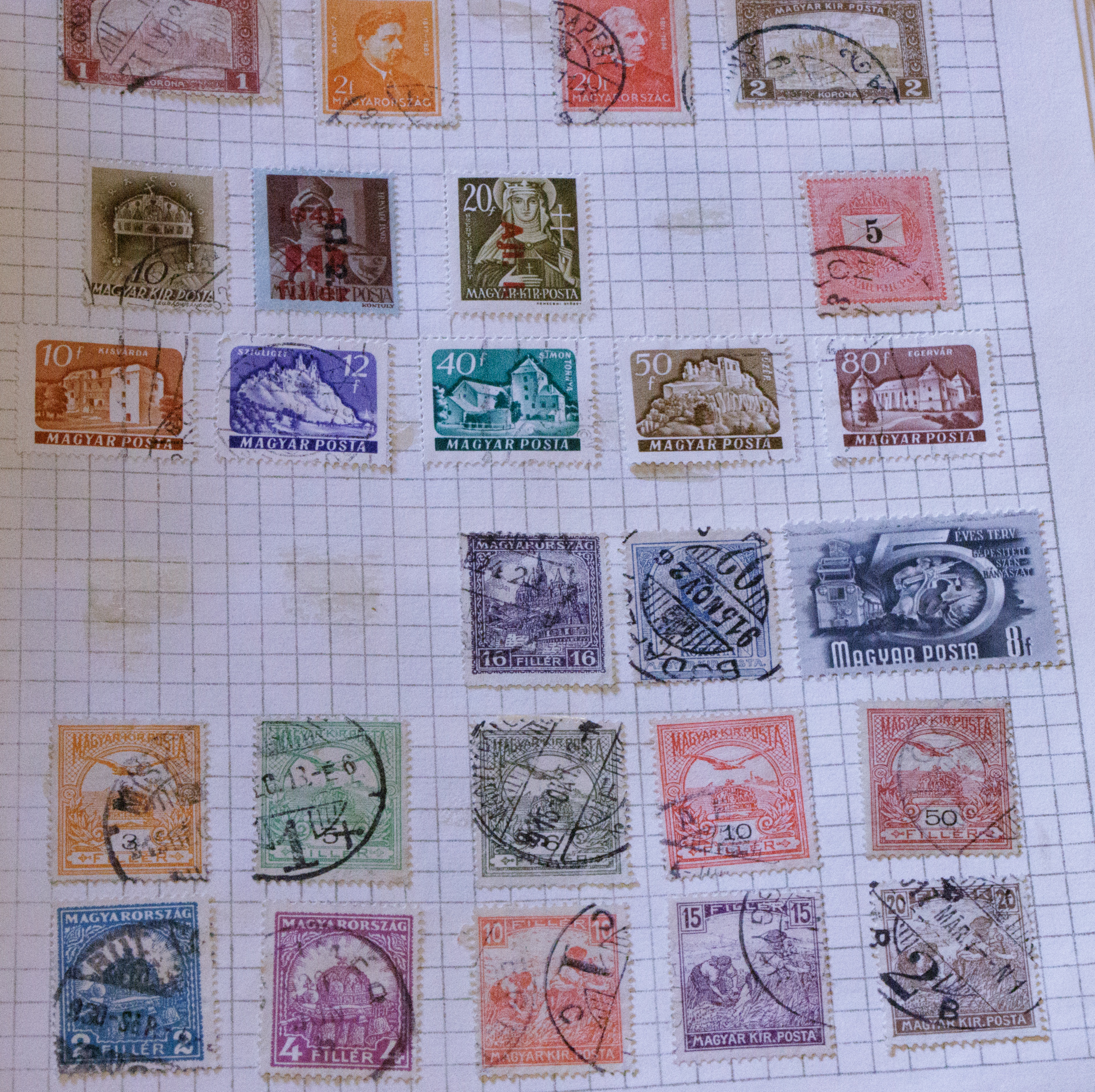
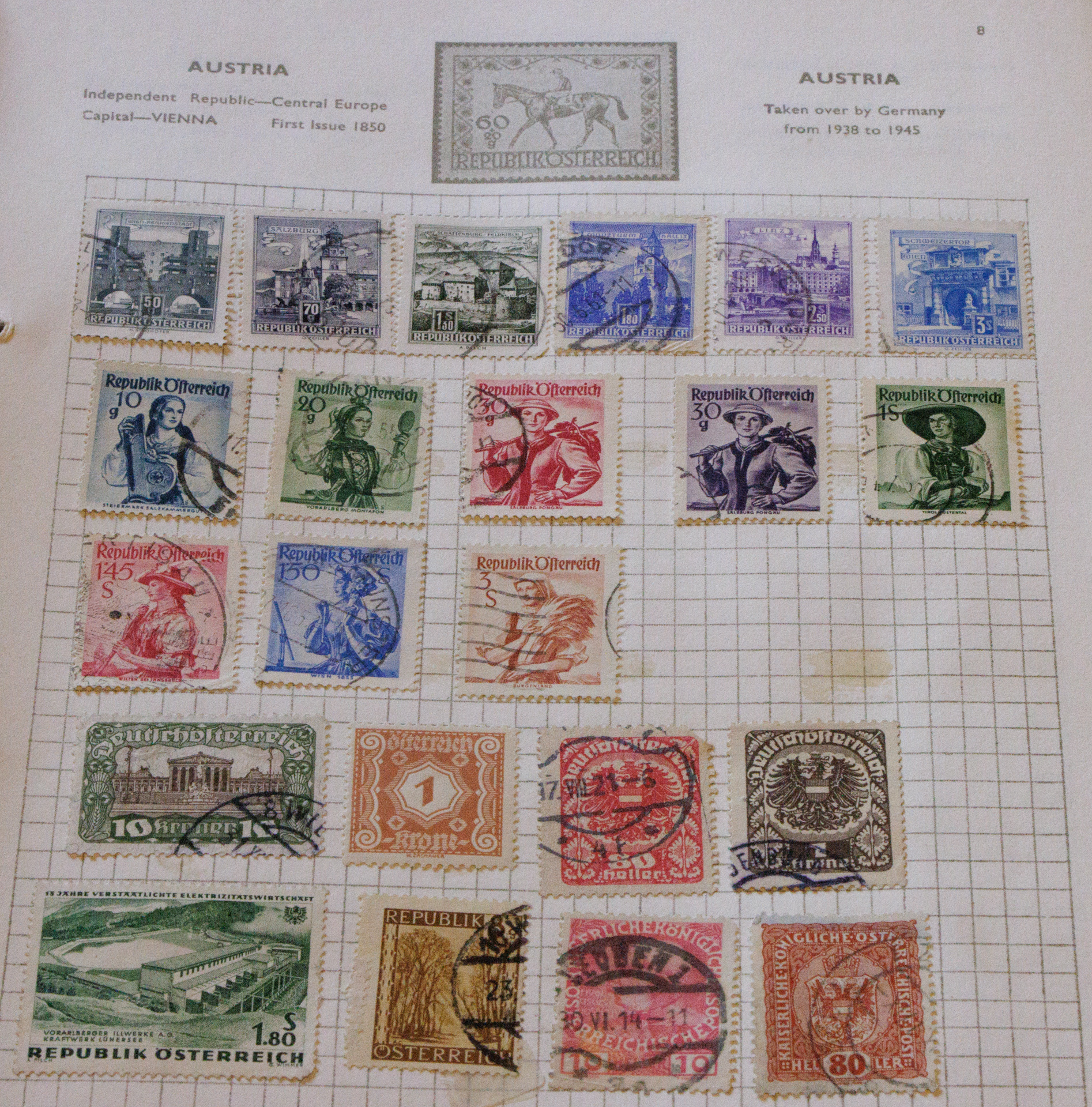
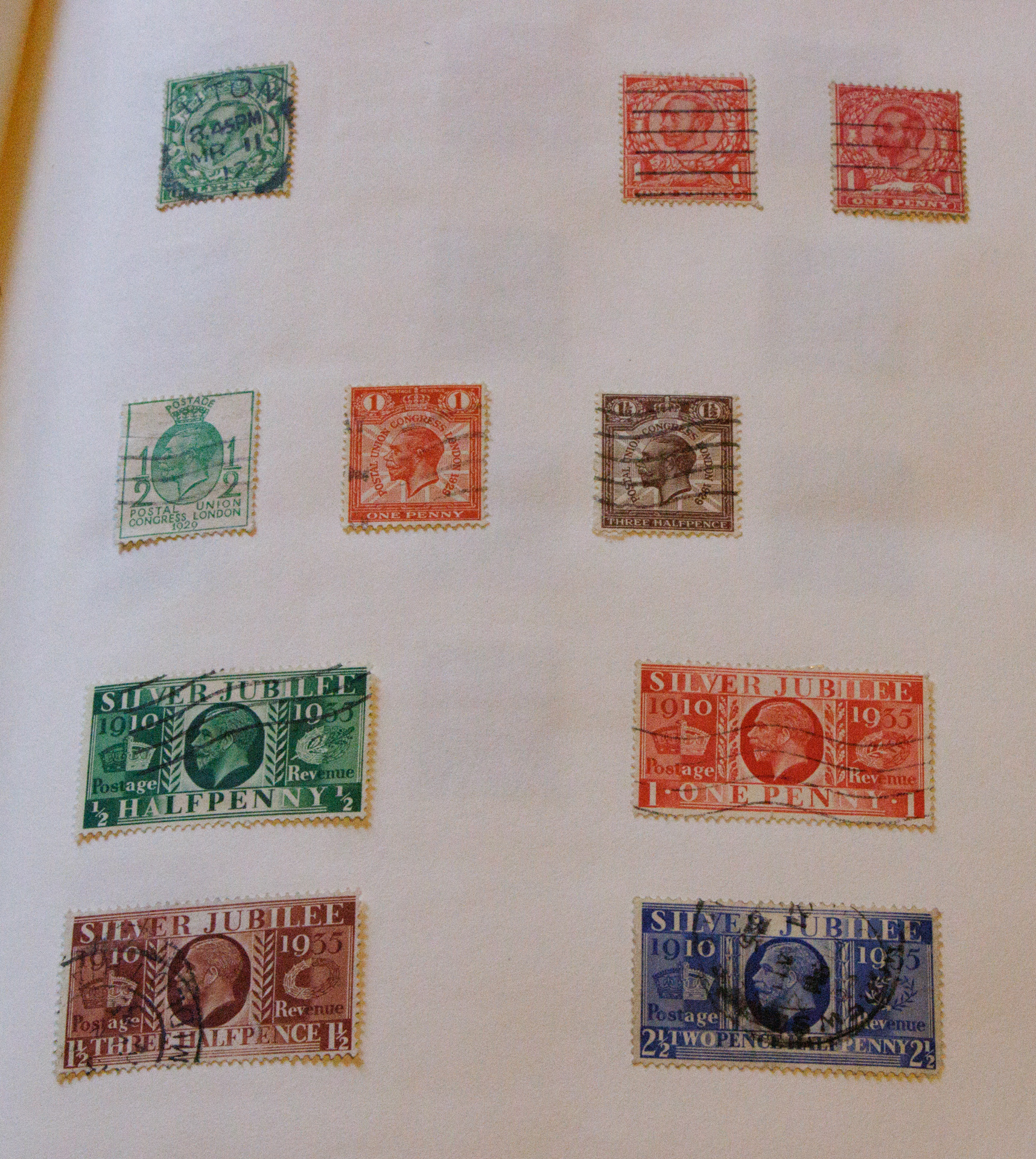
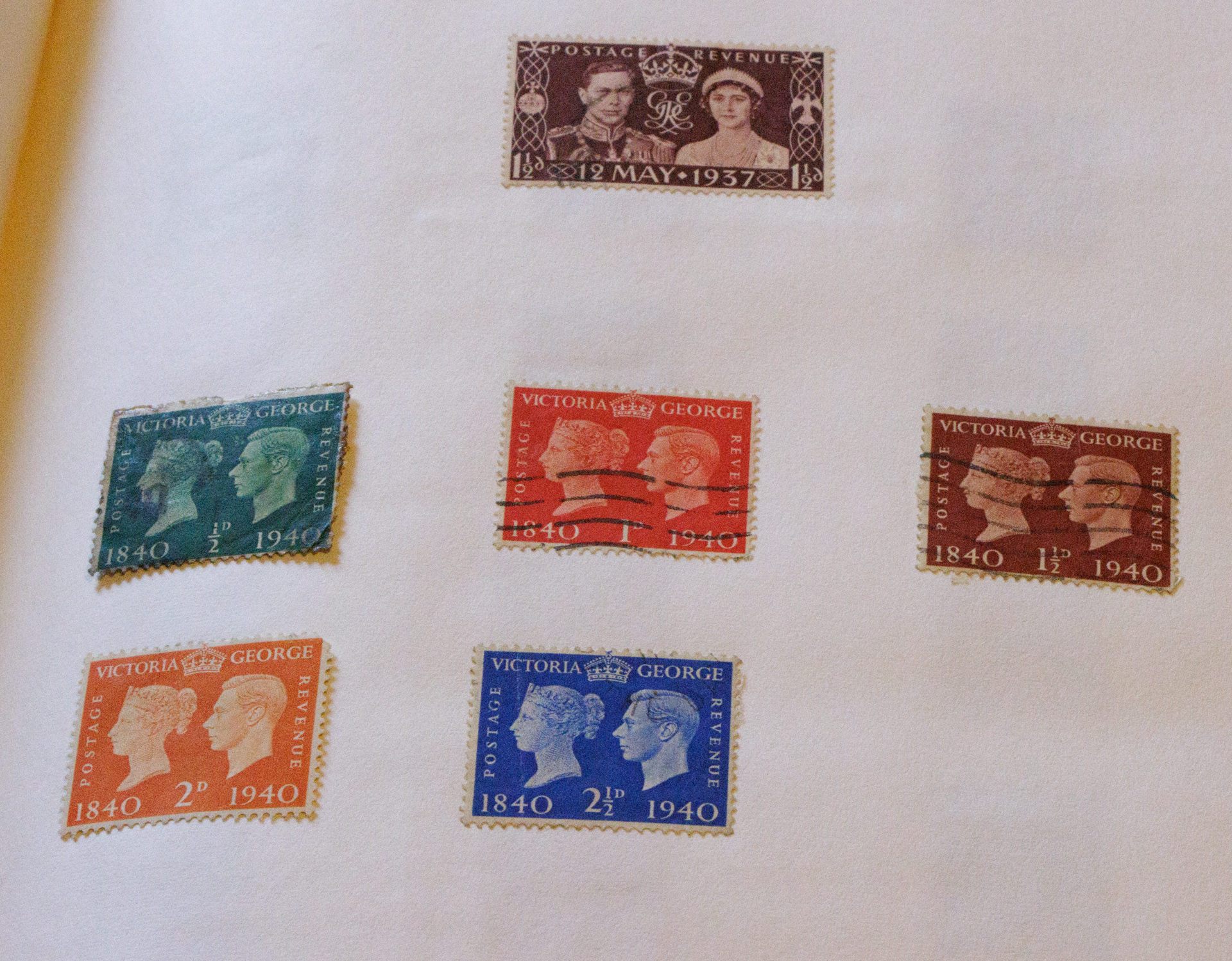
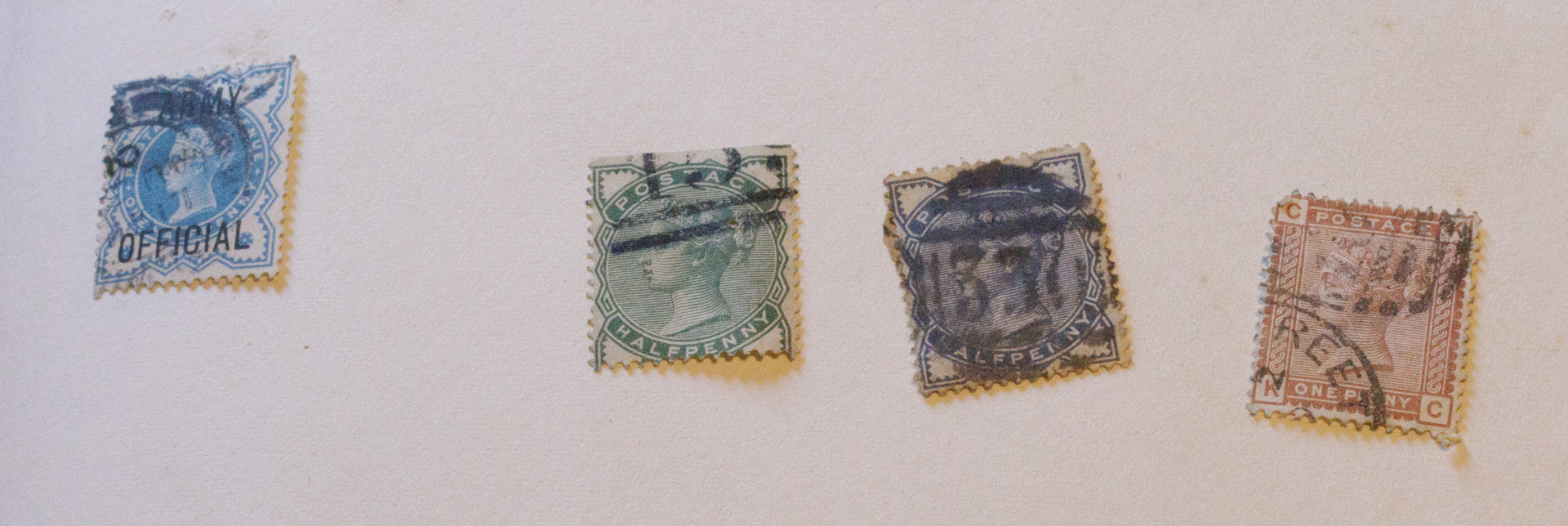
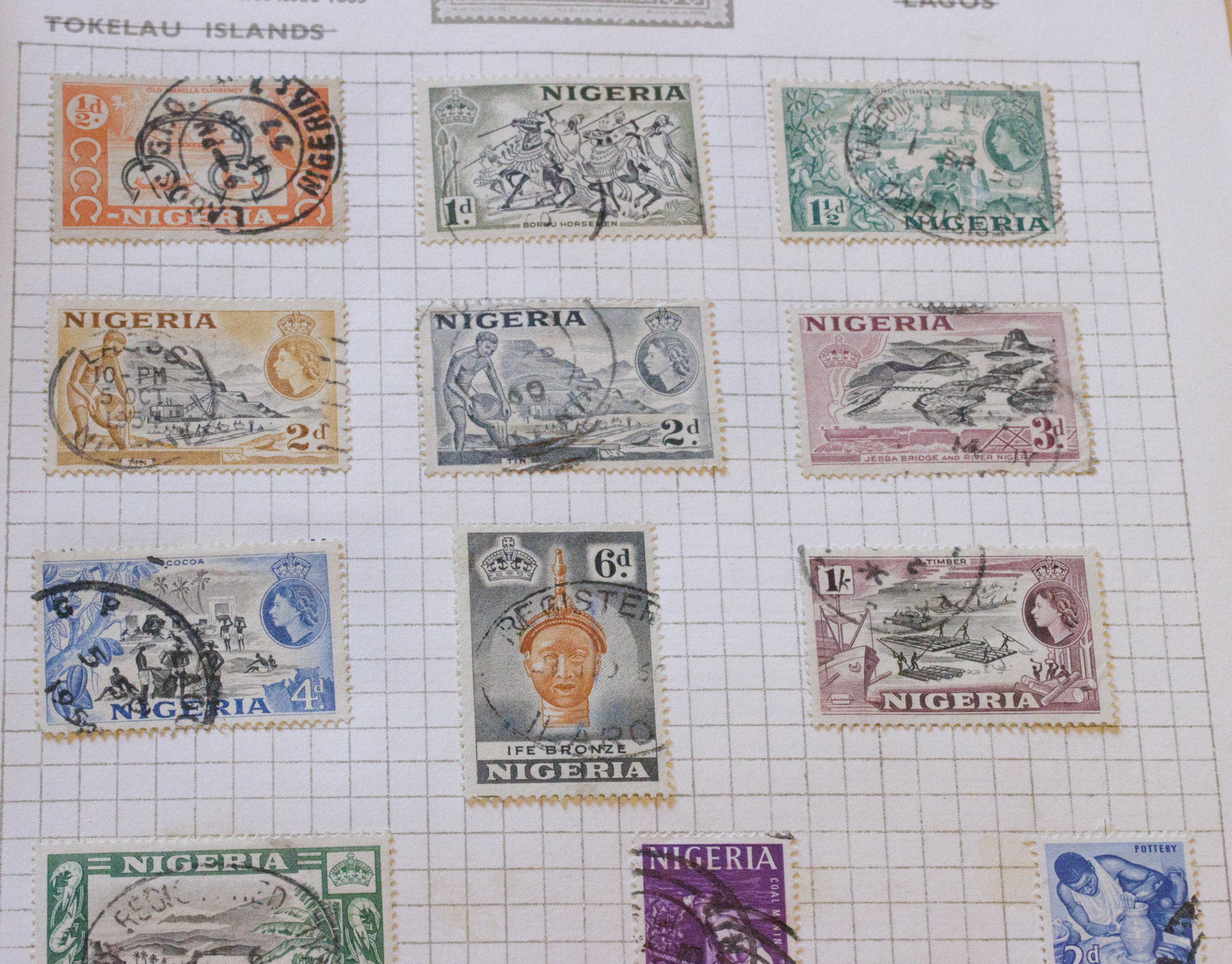
Stamp collection
IMG_7697_1920
IMG_7696_1920
IMG_7695_1920
IMG_7694_1920
IMG_7693_1920
IMG_7692_1920
IMG_7691_1920
IMG_7690_1920
IMG_7689_1920
IMG_7688_1920
IMG_7687_1920

IMG_7686_1920
IMG_7685_1920
IMG_7684_1920
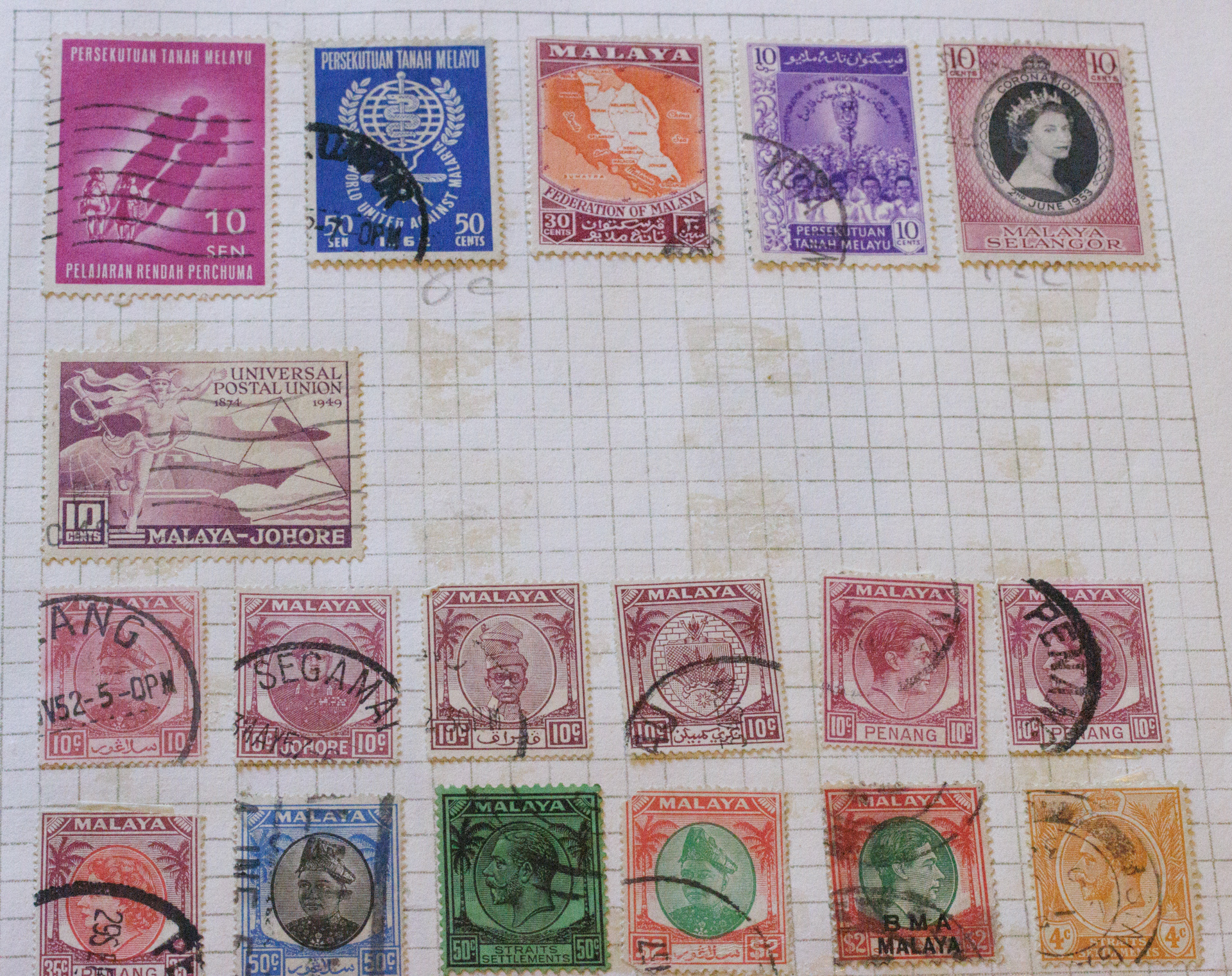
IMG_7683_1920
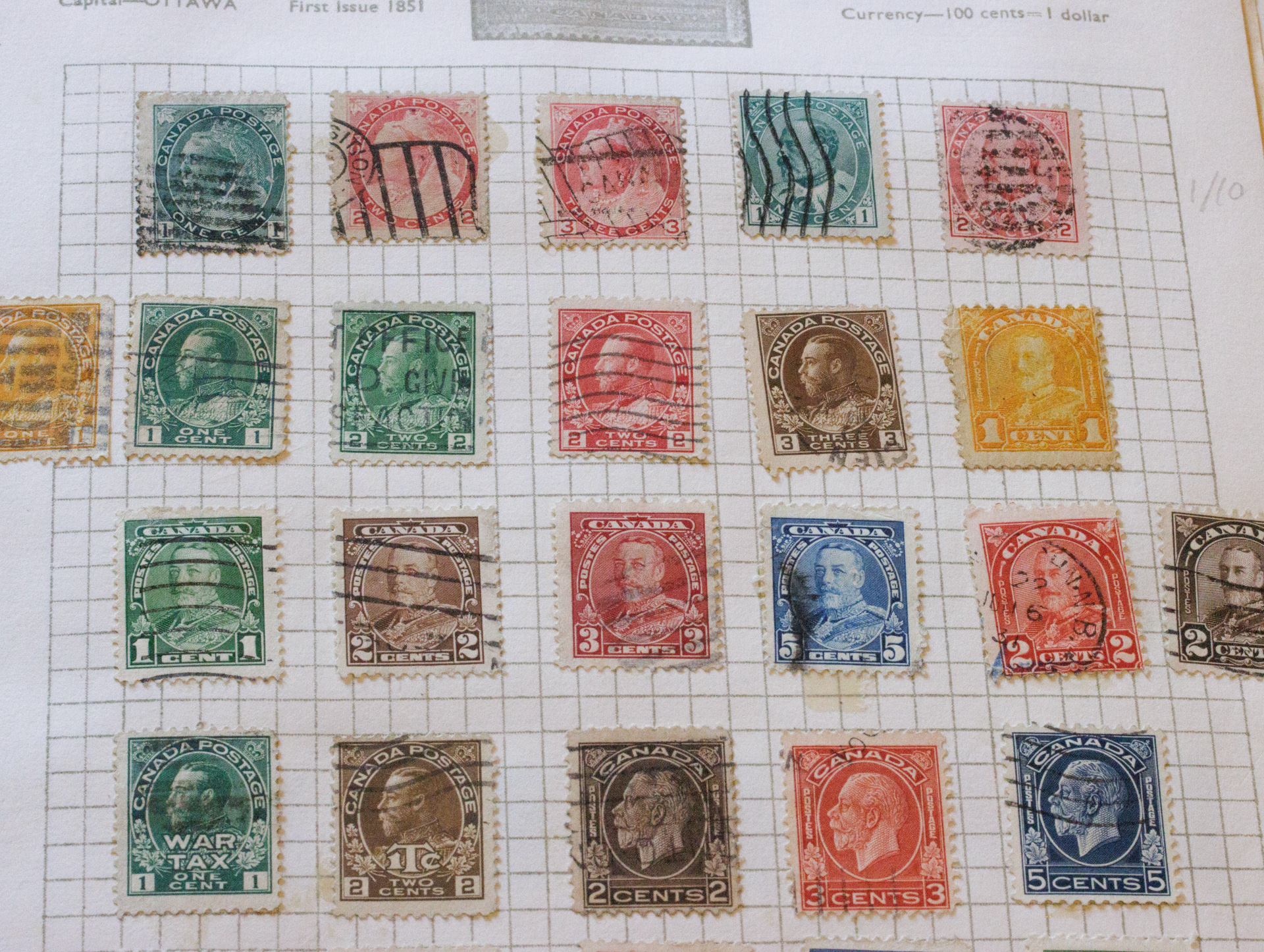
IMG_7682_1920
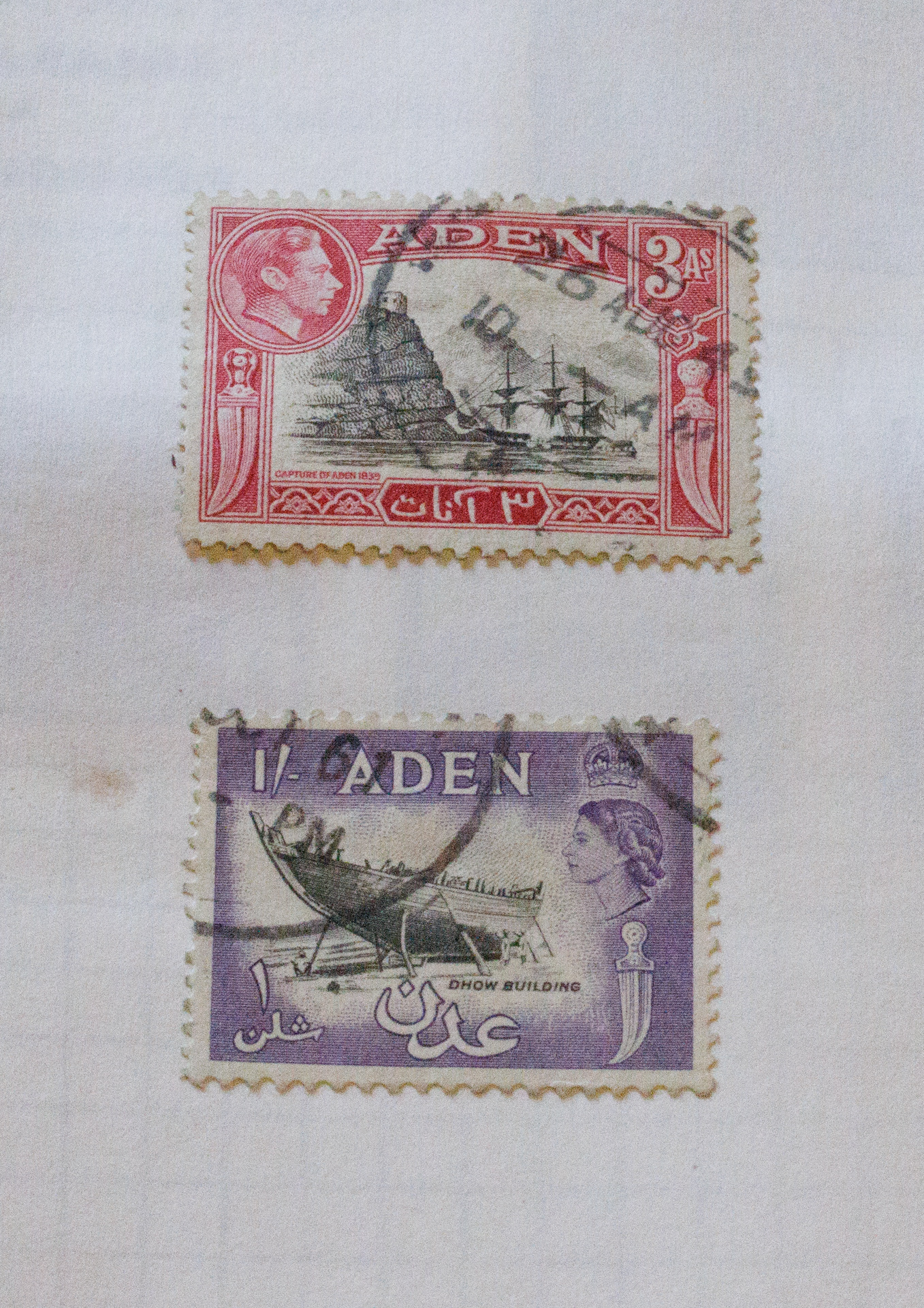
IMG_7680_1920
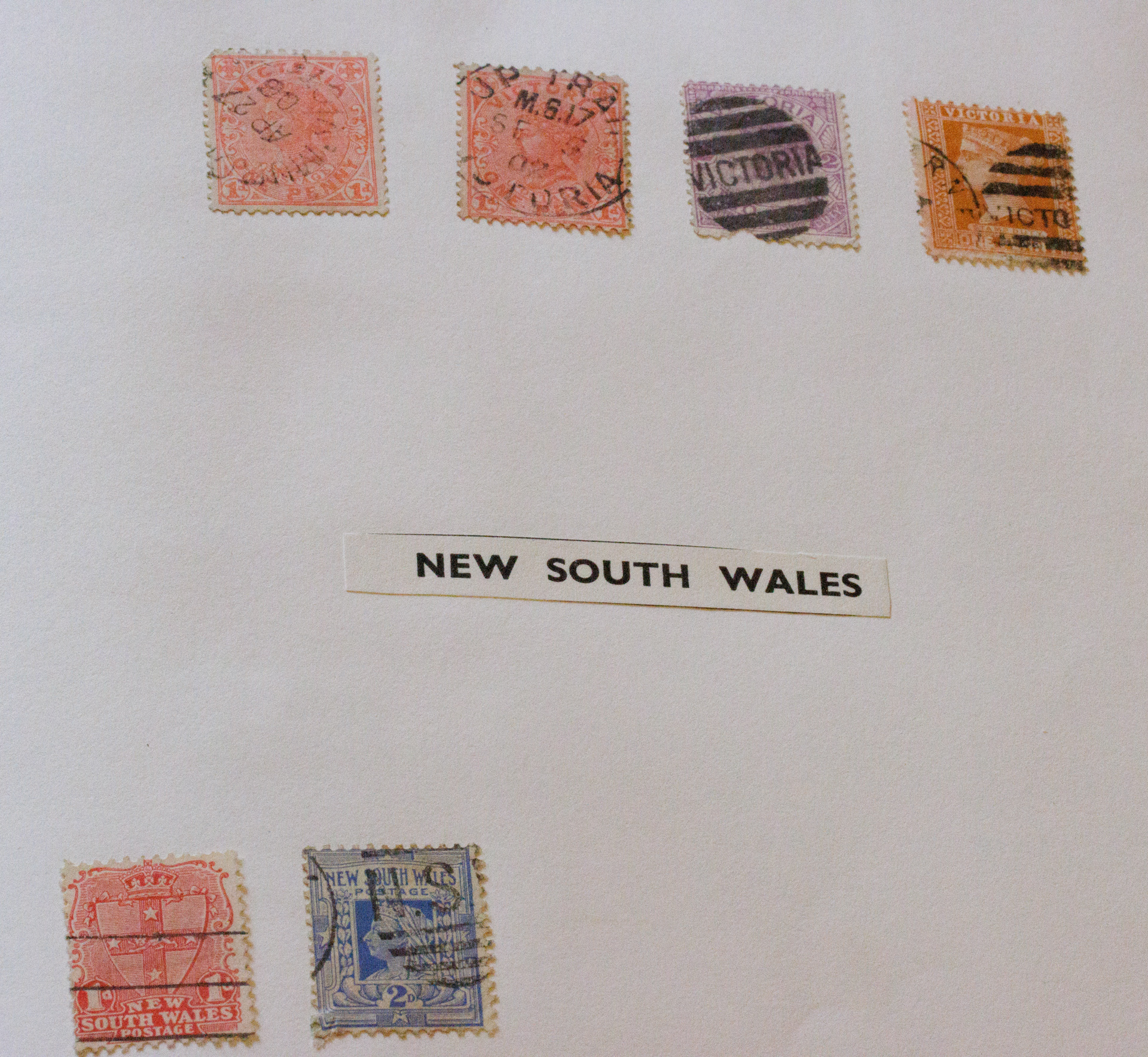
IMG_7679_1920
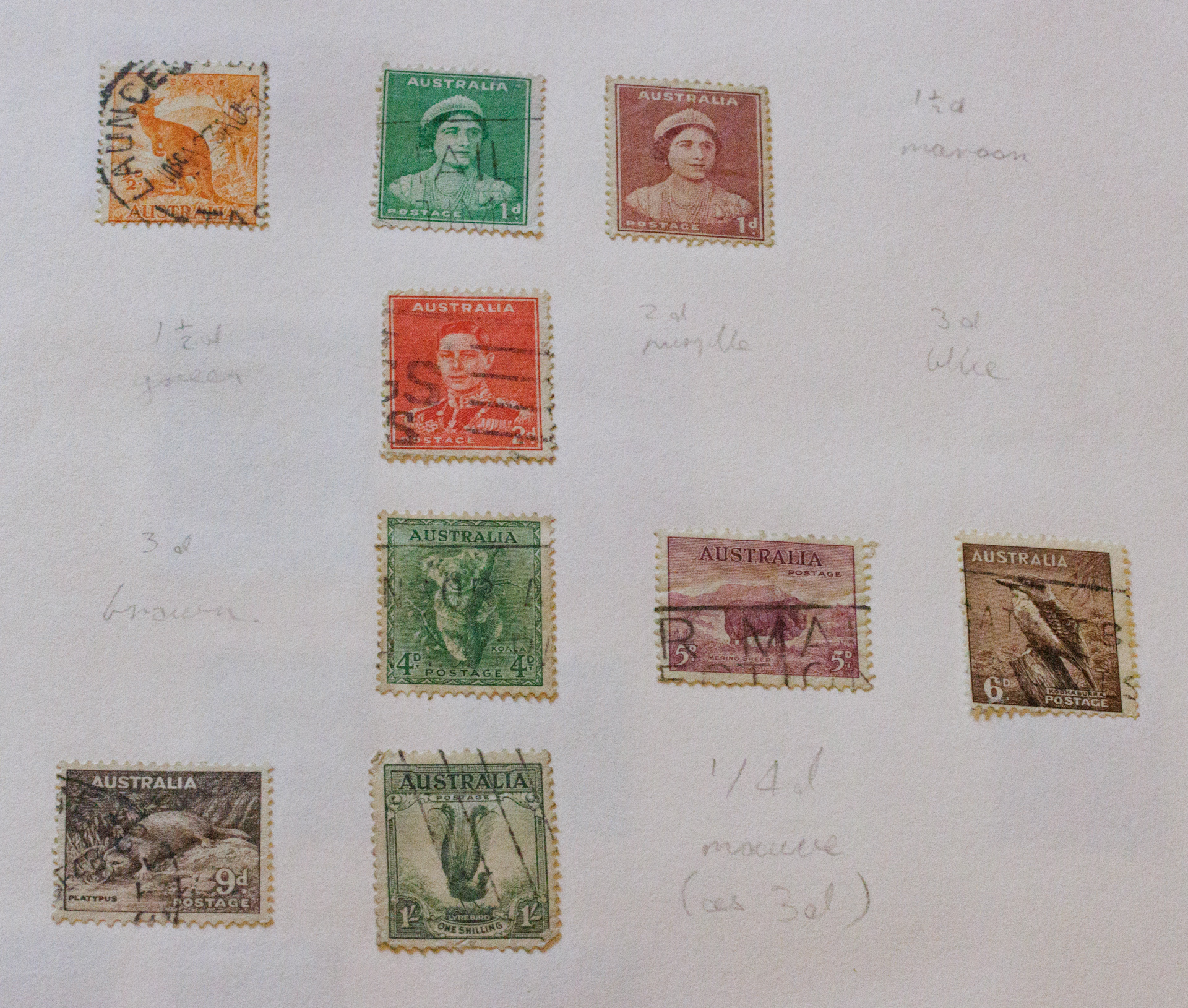
IMG_7678_1920
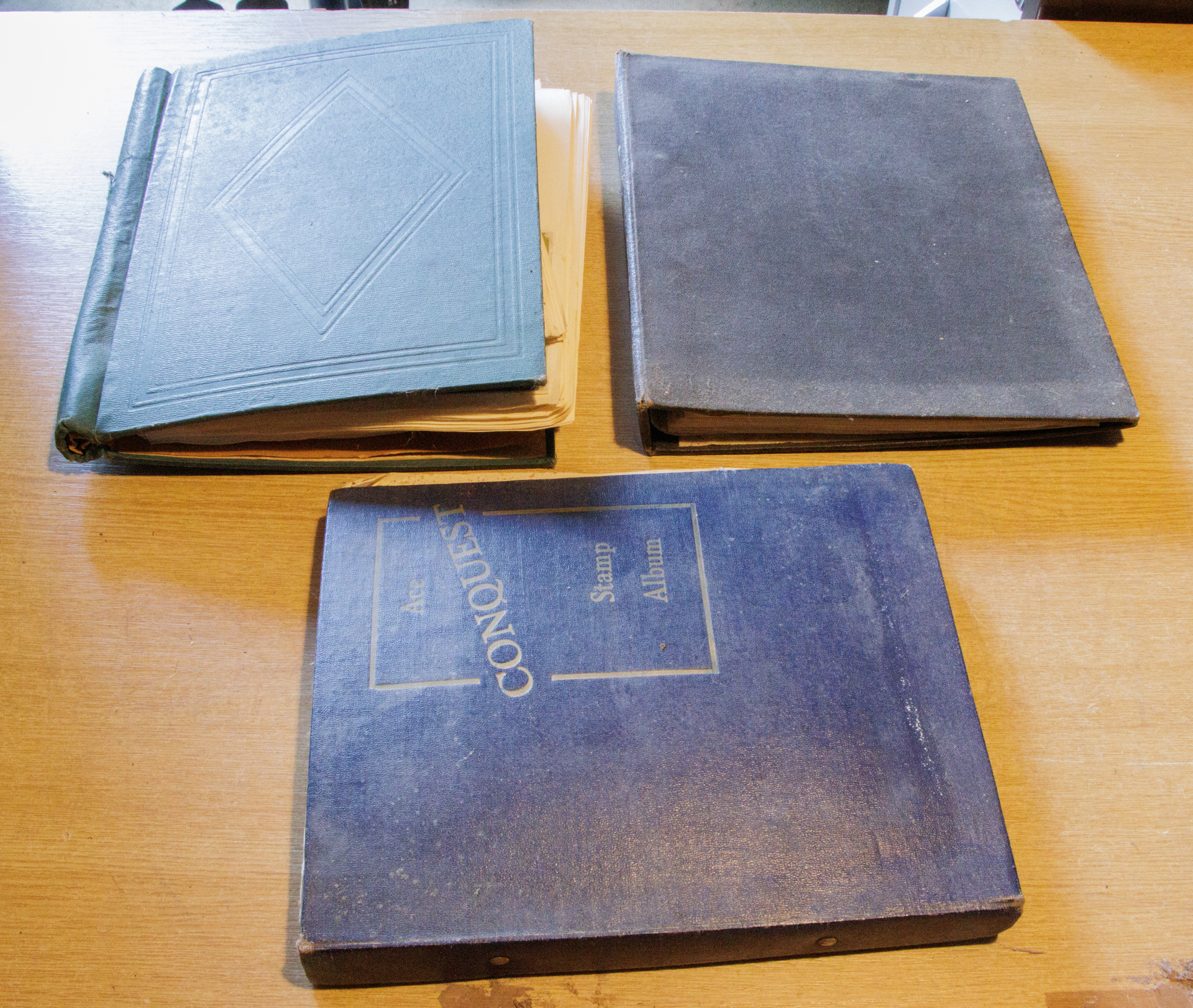
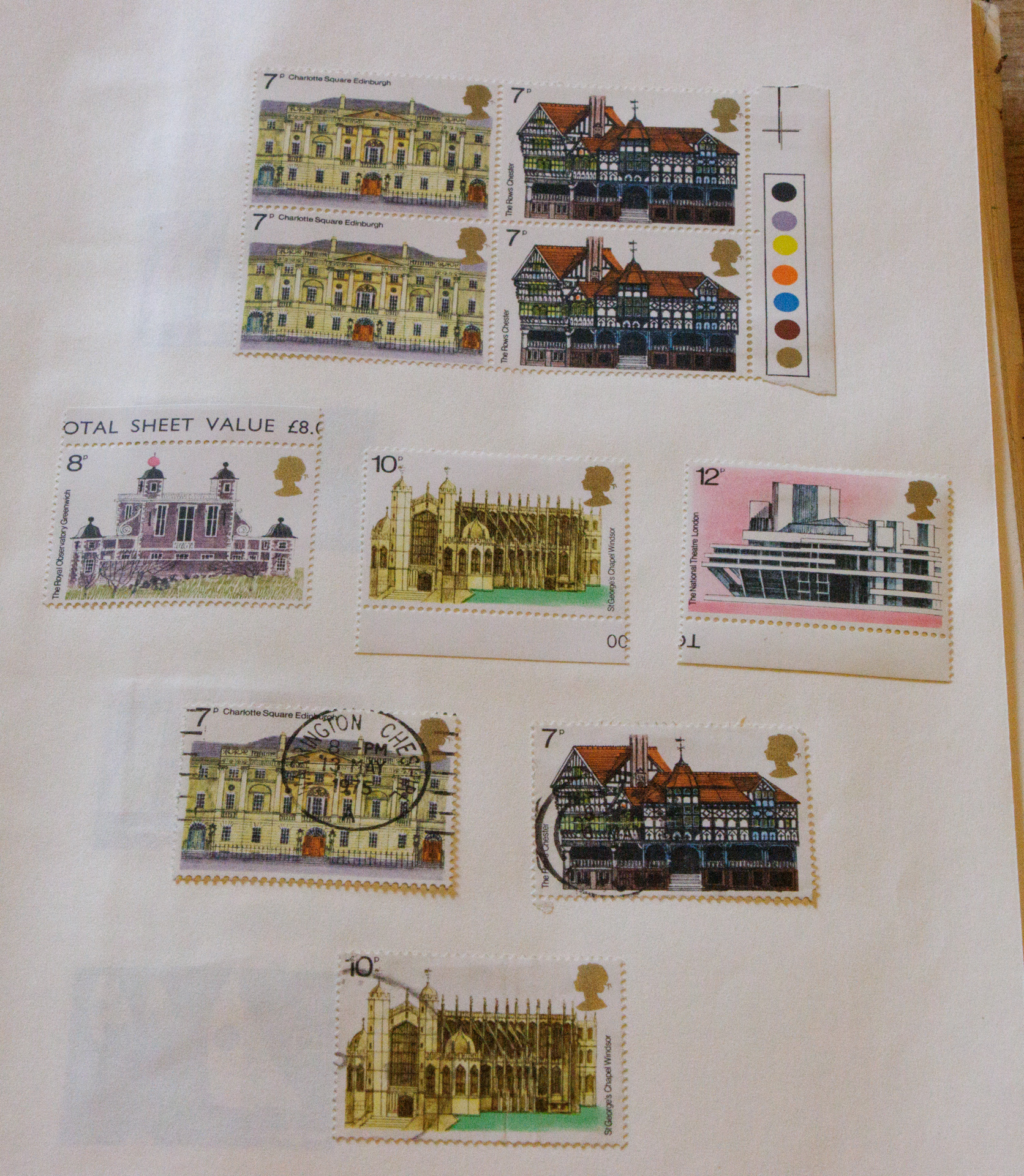
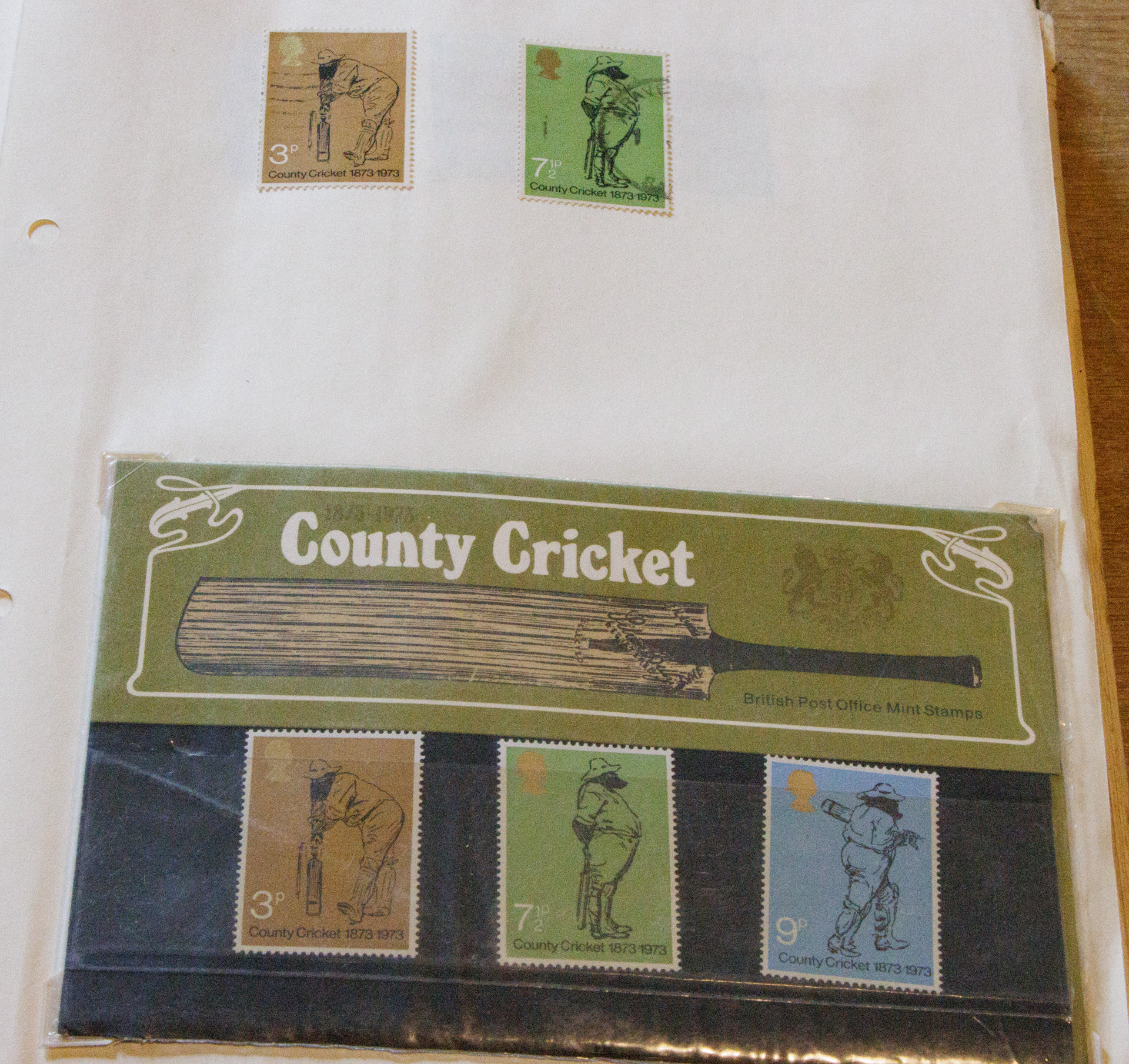
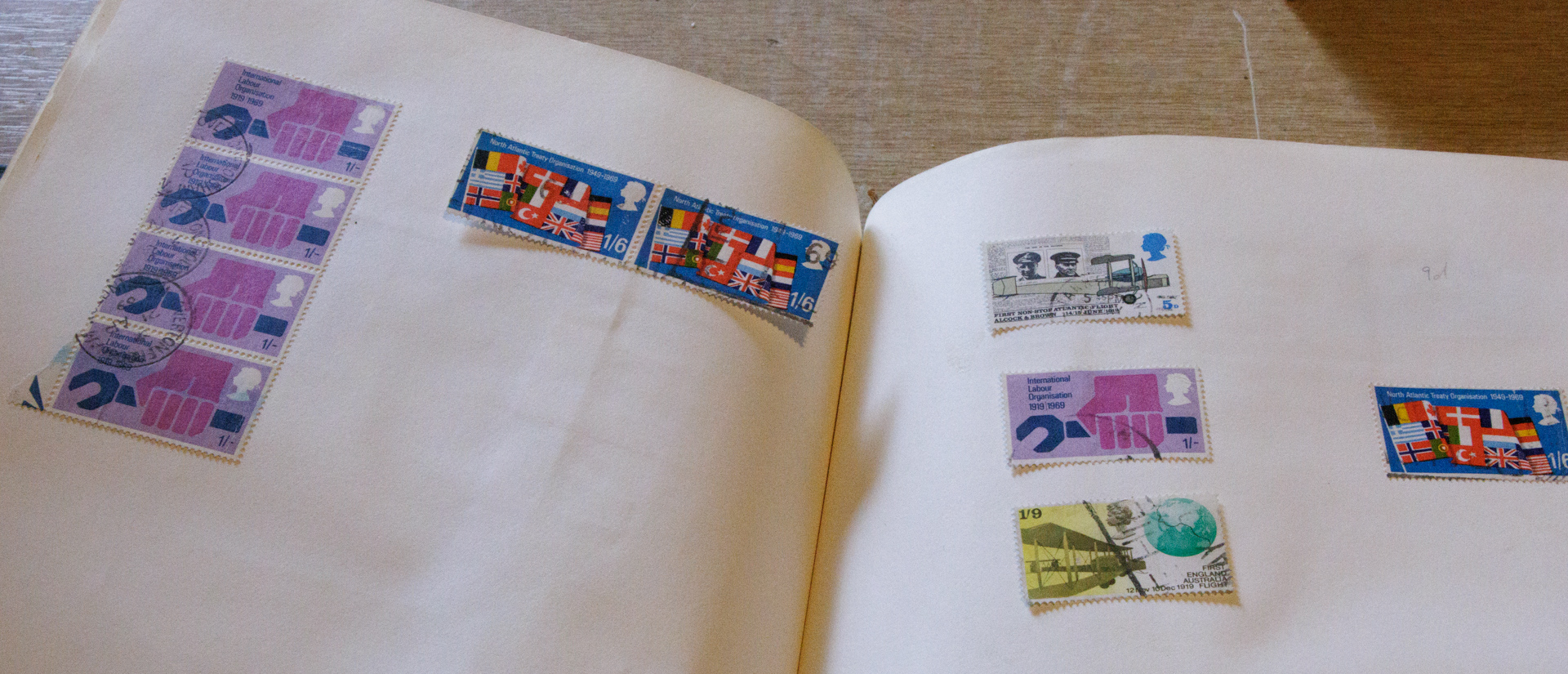
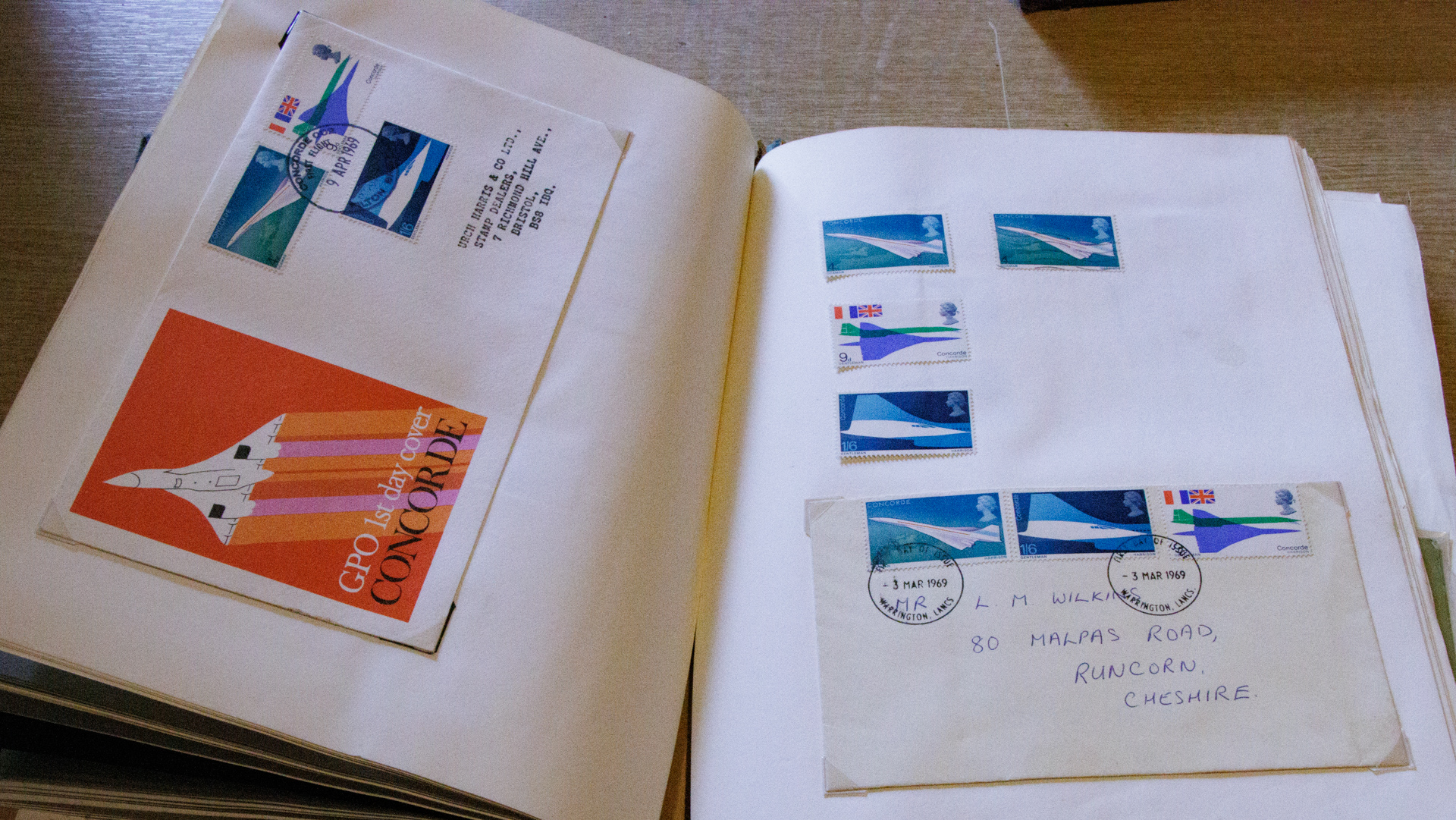
I have three albums of stamps, collected in the early 1960s. Nothing of high value I think. This is a random sample of what I have.
There are quite a lot of UK mint/uncirculated issues from the period I was collecting, but unfortunately these have mostly been stuck in the album using hinges. Most of the first day covers are on plain envelopes with my own address on, rather than special envelopes, though there are a few of these for later issues.
Contact
Les Wilkins
les@leswilkins.co.uk